
Evolving Worlds Keep Players Hooked
Open world games in 2026 aren’t just getting bigger they’re getting smarter. Developers are moving beyond surface level polish and diving into deeper, more dynamic world building. The result? Worlds that feel less like theme parks and more like digital ecosystems you can live in.
Day turns to night, sure but seasons now matter. Snowfall chokes roads in mountain regions. NPCs wear coats in winter and shift routines based on weather or in game politics. Cities don’t just look different at night; they act different, too. These small details feed the sense that the world exists whether you’re there or not.
What really keeps players from bouncing after 10 hours is evolving content. Persistent quest lines mean your decisions ripple over time. A saved village might become an ally, while a missed showdown turns into a long term problem. Branching narratives don’t just hand you multiple endings they make the whole journey feel uniquely yours.
It’s not about spectacle anymore. The hook is immersion through change, and the best open world devs are building places that grow with you, react to you, and remember what you’ve done.
The Freedom Factor
One thing open world games get right? Letting you do things your way. There’s no single path. No hand holding. You want to stick to the main story? Fine. You want to ignore it, climb a mountain, break into a fortress, or wander off into desert and fish for hours? Also fine. That freedom that sense of no walls is a big reason players keep coming back.
The best titles don’t just offer destinations, they offer decisions. Stealthy infiltration, loud destruction, smooth talking your way through conflict most games used to pick one. Now, the top tier ones let you try all three in one mission. Style is part of strategy.
And even when the original spark fades, modding communities dig in and do something devs can’t: reshape, reboot, and reimagine. From texture upgrades to whole new storylines, player created content has stretched the shelf life of some open world pillars by years. In 2026, freedom doesn’t just mean where you go it means how you shape the world once you’re there.
Tech Driven Innovation
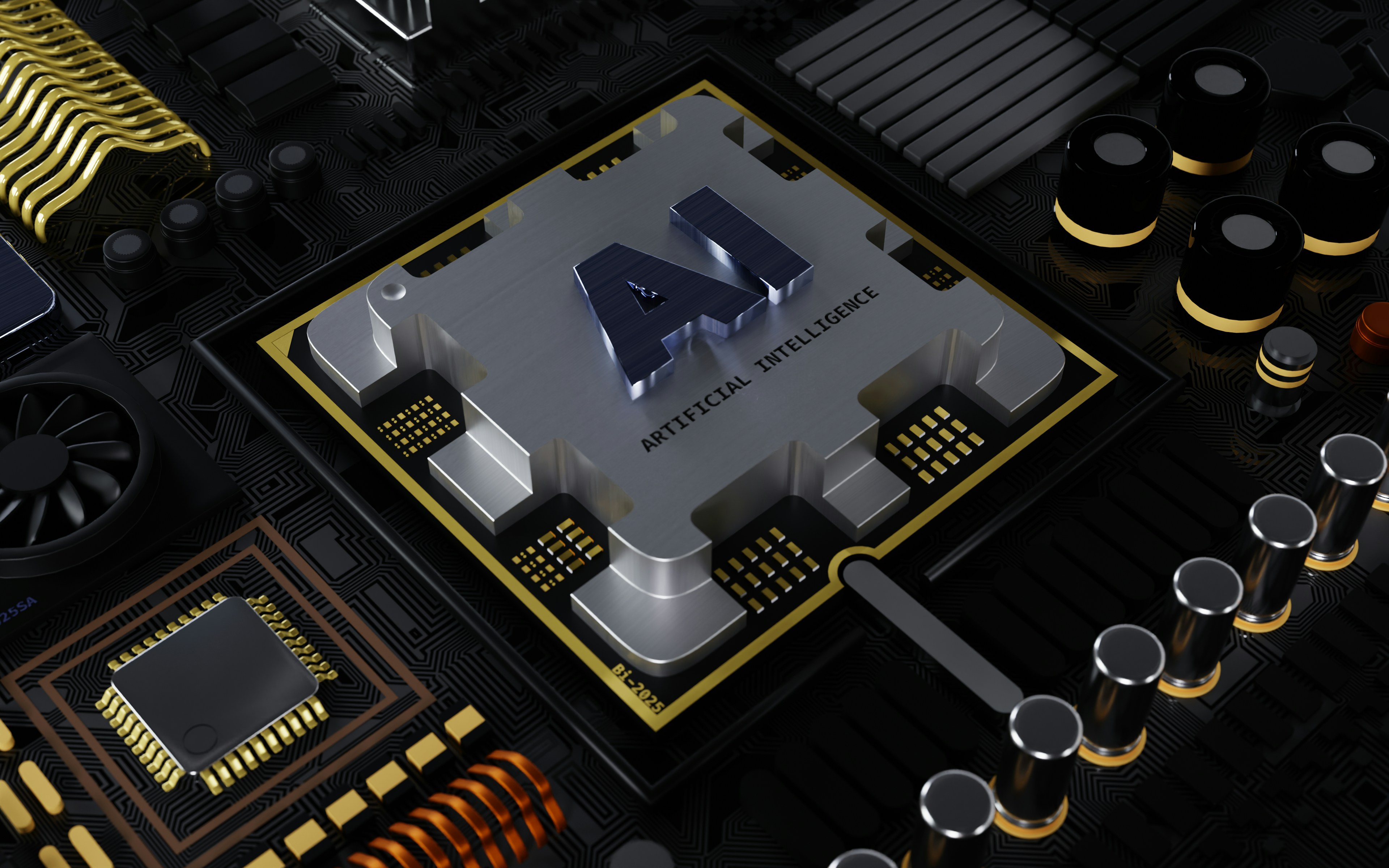
The open worlds of 2026 don’t just look bigger they feel smoother, smarter, and more personal. Next gen consoles and the latest GPUs have torn down old limitations. Gone are the loading screens, rough texture pop ins, and clunky map transitions. Now, the scale is massive, but the experience is seamless. You run from dense urban sprawl to windswept mountains without a hitch, and the game doesn’t break a sweat.
What’s making waves, though, is how AI is steering the experience. World events now evolve in real time based on your decisions, with NPCs that learn, react, and change their behavior. It moves beyond scripted paths suddenly the world feels alive, like it’s watching you back. Your story isn’t just yours it’s woven into a wider ecosystem of shifting consequences.
And then there’s VR. Still early, but gaining ground. No longer just a novelty add on, VR is starting to fundamentally change the way open worlds are built. Interfaces are being reimagined. Movement systems are evolving. We’re not just playing characters we’re stepping into them.
Bottom line: tech isn’t just pushing back boundaries, it’s redrawing the map entirely.
Storytelling That Doesn’t Force You
The Rise of Non Linear Narrative
More and more players in 2026 are rejecting rigid, on rails storylines in favor of non linear experiences. Open world games offer a freedom that traditional narratives can’t match allowing stories to emerge organically as players engage with the world at their own pace.
Players choose where to go, who to help, and what to skip
Major missions can be completed out of order or ignored entirely
World events and side quests often reshape how the main story feels
Emotion Through Exploration
Emotional engagement doesn’t come just from dramatic cutscenes anymore. Instead, it’s built through discovery and context found in the game world itself. Whether it’s stumbling upon a forgotten ruin or witnessing a dynamic event unfold, these unscripted moments create lasting impact.
Hidden lore encourages players to piece together their own emotional arcs
Environmental storytelling adds layers of depth without direct exposition
Moments of choice big or small build attachment and tension
Player Agency = Unique Stories
Every decision a player makes shapes their experience. This agency turns even identical game worlds into deeply personal journeys.
Outcomes change based on behavior, relationships, and reputation
No two playthroughs feel exactly the same
The player becomes the co author of the story, not just the audience
In 2026, the best open world games trust the player to find meaning on their own and that’s exactly what keeps people coming back.
Online and Social Layers
Open world games aren’t just bigger now they’re louder, more social, and a lot messier, in the best way possible. Co op and multiplayer modes are no longer bolt on features. They’re baked right into the guts of the game. Players drop in and out, team up to raid fortresses, or just ride off in separate directions. The chaos is part of the charm. It’s discovery with a side of unpredictability.
User generated content doubles down on that energy. Some of the most compelling missions aren’t coming from studios they’re coming from players. Level editors, scenario builders, even full on quest scripting tools are putting power into the community’s hands. And it shows. One good player made map can keep a game in rotation long after launch hype fades.
Then there are the shared world events. Real time monster hunts. Sudden weather shifts triggering rare loot drops. Timed faction battles. These aren’t just distractions they’re anchor points. They pull players back in, spark conversation, and keep the community breathing, even when the main story’s done.
Longevity today is about more than graphics or polish. It’s about giving players stories to write together even if those stories are barely controlled mayhem in a sandbox with friends.
Why They Won’t Fade Anytime Soon
Open world games aren’t just entertainment they’re evolving platforms. The best ones today feel less like finished products and more like digital worlds that keep growing. With regular updates, expansions, and massive modding scenes, these games stretch far beyond their launch dates. What starts as a 60 hour campaign can turn into a years long hobby.
That constant evolution is what keeps players locked in. Studios drop seasonal events, new story arcs, even overhauls to mechanics. Modders build entirely new islands, characters, or survival systems. The result? No two experiences are exactly alike and that’s by design.
People aren’t just playing games anymore; they’re looking for alternate lives. Immersive landscapes, personal storylines, and total freedom scratch that escapism itch. In a time where noise is constant and attention spans short, open world games offer something rare: immersion without pressure.
Check out our full list of standout open world game picks here.

 Ask Maesan Harperston how they got into player strategy guides and you'll probably get a longer answer than you expected. The short version: Maesan started doing it, got genuinely hooked, and at some point realized they had accumulated enough hard-won knowledge that it would be a waste not to share it. So they started writing.
What makes Maesan worth reading is that they skips the obvious stuff. Nobody needs another surface-level take on Player Strategy Guides, Esports Highlights and Updates, Latest Gaming News. What readers actually want is the nuance — the part that only becomes clear after you've made a few mistakes and figured out why. That's the territory Maesan operates in. The writing is direct, occasionally blunt, and always built around what's actually true rather than what sounds good in an article. They has little patience for filler, which means they's pieces tend to be denser with real information than the average post on the same subject.
Maesan doesn't write to impress anyone. They writes because they has things to say that they genuinely thinks people should hear. That motivation — basic as it sounds — produces something noticeably different from content written for clicks or word count. Readers pick up on it. The comments on Maesan's work tend to reflect that.
Ask Maesan Harperston how they got into player strategy guides and you'll probably get a longer answer than you expected. The short version: Maesan started doing it, got genuinely hooked, and at some point realized they had accumulated enough hard-won knowledge that it would be a waste not to share it. So they started writing.
What makes Maesan worth reading is that they skips the obvious stuff. Nobody needs another surface-level take on Player Strategy Guides, Esports Highlights and Updates, Latest Gaming News. What readers actually want is the nuance — the part that only becomes clear after you've made a few mistakes and figured out why. That's the territory Maesan operates in. The writing is direct, occasionally blunt, and always built around what's actually true rather than what sounds good in an article. They has little patience for filler, which means they's pieces tend to be denser with real information than the average post on the same subject.
Maesan doesn't write to impress anyone. They writes because they has things to say that they genuinely thinks people should hear. That motivation — basic as it sounds — produces something noticeably different from content written for clicks or word count. Readers pick up on it. The comments on Maesan's work tend to reflect that.