
The world of gaming doesn’t sit still. Innovations hit the scene fast, and players, developers, and hardware makers are all racing to keep up. If you’re wondering what is new in gaming technology jogametech, you’re not alone. Our look at what is new in gaming technology jogametech pulls back the curtain on the major breakthroughs shaping how we play, build, and experience games.
Smarter AI, Smarter Games
AI in gaming isn’t new—but it’s evolving fast. Non-playable characters (NPCs) aren’t just following scripted paths anymore. Machine learning is allowing NPCs to adapt, react, and even grow smarter over time. In turn-based strategy games, enemy behavior is now tailored based on play patterns. In FPS titles, AI teammates can support more intuitively.
AI is also showing up in areas beyond play mechanics. It’s driving automated testing during development, analyzing user behavior for improved designs, and even helping generate dynamic story content. Basically, it’s streamlining creativity while making gameplay more responsive.
Cloud Gaming Gains Ground
Cloud-based gaming is turning high-end gaming into a platform-agnostic experience. Services like NVIDIA GeForce Now, Xbox Cloud Gaming, and Amazon Luna allow players to stream AAA titles on lower-end devices—including tablets, phones, and lower-spec laptops.
You no longer need to invest thousands in a gaming rig to play titles like Cyberpunk 2077 or Elden Ring. Instead, latency improvements and data centers positioned globally are making cloud gaming a legitimate alternative. Scalability is also a win for developers: they can reach wider audiences without worrying about platform limitations.
This shift directly connects to the larger story of what is new in gaming technology jogametech—because removing hardware bottlenecks changes how games are designed. More players, more devices, and more experiences. Win all around.
Haptics and Wearable Feedback
Immersion has graduated from just visual fidelity to physical presence. Enter haptic feedback: from rumble-enhanced controllers to full-body suits that provide physical responses tied to in-game actions.
The PlayStation 5’s DualSense controller, for example, offers nuanced vibration and adaptive triggers that mimic the tension of a bowstring or resistance of a slippery surface. Companies like bHaptics and Teslasuit are pushing further, letting you “feel” your in-game injuries or even weather changes. It’s sensory input turned mechanical and integrated into game design.
For developers, this means considering tactile feedback as part of the storytelling palette—not just noise.
The Rise of Spatial Computing and Mixed Reality
Beyond classic VR and AR, spatial computing is reshaping digital space. Apple’s Vision Pro and the new wave of Meta devices are blurring the line between game worlds and physical environments. This progression is offering developers a platform to design multi-layered experiences that combine real-world awareness with immersive graphics.
Rather than isolate you in a virtual realm, mixed reality gaming invites your actual surroundings into the play space. Think puzzle games that map onto your living room walls, or strategy battlers played across your dining table in AR.
This technology demands higher precision in spatial mapping, object recognition, and gesture reading—which is why it’s at the front edge of conversations about what is new in gaming technology jogametech.
Procedural Worlds Powered by GenAI
Procedural generation isn’t new—Minecraft and No Man’s Sky rode the wave years ago. But with generative AI entering the scene, environment creation is getting an upgrade.
Large language models and diffusion tools are allowing game devs to generate vast game worlds, complex narratives, and even character dialogue with minimal manual coding. Studios are speeding up asset creation and breathing life into worlds with fewer hands on deck.
AI-powered tools now support terrain mapping, encounter logic, and dynamically rewritten story branches. This doesn’t just cut production costs—it makes games feel deeper and more personal, because the world adapts in real time.
Blockchain and Ownership: The Controversial Frontier
The idea of in-game assets with real-world value isn’t new, but blockchain’s application to gaming takes it further. From NFTs as weapons or skins to entire economic models built on crypto, developers are experimenting with how digital ownership might work across titles.
Whether you’re for or against it, crypto-based systems are forcing studios to rethink in-game economies. Popular games like Gods Unchained and Illuvium are using blockchain to shift control from providers to players.
Yes, there are drawbacks—environmental concerns, speculative markets, and unclear regulations among them—but this direction is undoubtedly a part of the evolving answer to what is new in gaming technology jogametech.
Mobile Is Catching Up Fast
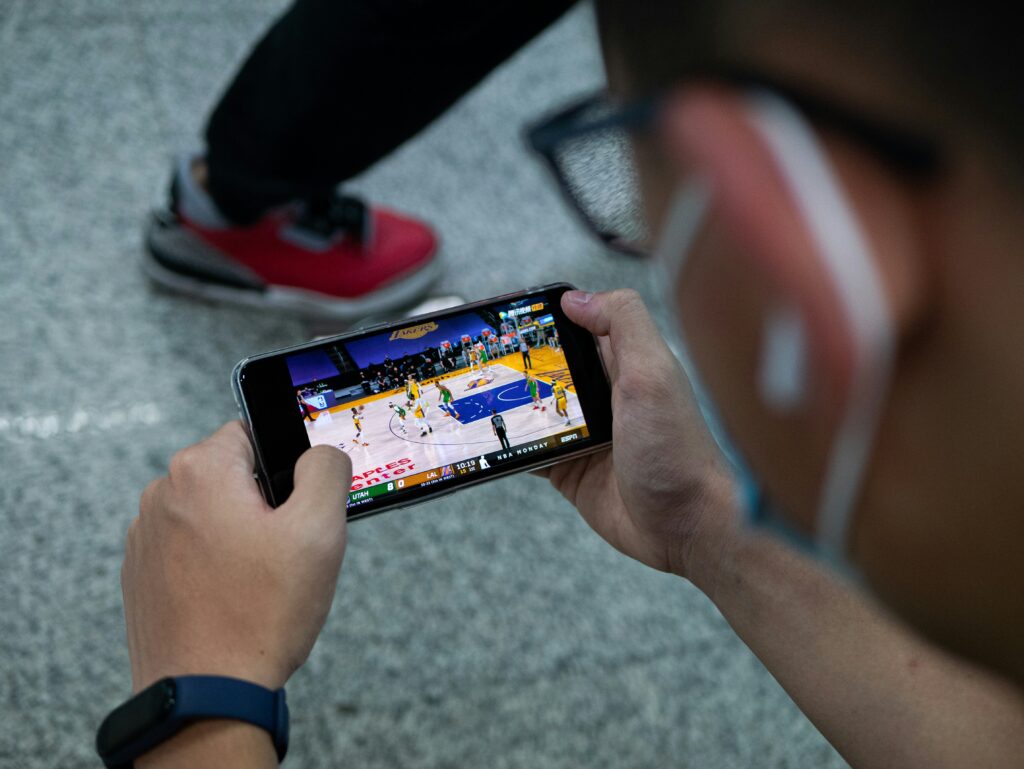
Mobile gaming has come a long way from match-3 puzzles and idle clickers. With processors like Qualcomm’s Snapdragon Elite and Apple’s A-series chips, smartphones can now run graphic-intensive games that rival console experiences.
Cross-platform play is also more seamless. Games like Genshin Impact, Call of Duty: Mobile, and PUBG offer console-quality graphics while syncing progress across devices. Add accessories like attachable controllers or mobile docks, and your phone becomes a full-fledged gaming hub.
As mobile catches up, it’s also expanding the global reach of modern titles—especially in regions where consoles and beefy PCs aren’t widely accessible.
Sustainable Development: Going Green
Sustainability is no longer an afterthought in game design. Studios are adopting greener pipelines, from energy-efficient data centers powering online play to eco-friendly packaging and resource-efficient engines like Unity and Unreal.
Game narratives themselves increasingly include environmental themes—using gameplay to promote awareness. It’s less about preachy messaging and more about subtle immersion into eco-conscious ideas.
Big players like Microsoft and Nintendo have been transparent in carbon impact reporting and reduction commitments. And smaller studios are pushing for minimal Digital Carbon Footprint designs as part of their brand.
The Social Meta-Layer
Online gaming has always had a social element, but there’s a growing shift toward building entire social frameworks around games. Think Discord integration, in-game Twitch sharing, creator-friendly UGC (User-Generated Content), and persistent public or private lobbies that act like social clubs.
Games like Fortnite and Roblox aren’t just play experiences—they’re social ecosystems, with branded events, virtual concerts, and identity-based customization deeply intertwined with interactive gameplay.
It’s one more way the concept behind what is new in gaming technology jogametech manifests: games evolving into platforms where play, creation, and connection exist on equal footing.
Final Thoughts
As we look ahead, the line separating games from other forms of digital life continues to blur. Whether it’s smarter AI, shared cloud platforms, more natural feedback mechanisms, or revolutionary development tools, gaming technology isn’t just about entertainment anymore—it’s shaping how we learn, connect, and create.
So when you ask what is new in gaming technology jogametech, know this: the answer isn’t just one breakthrough. It’s a web of interconnected changes redefining what gaming can be.