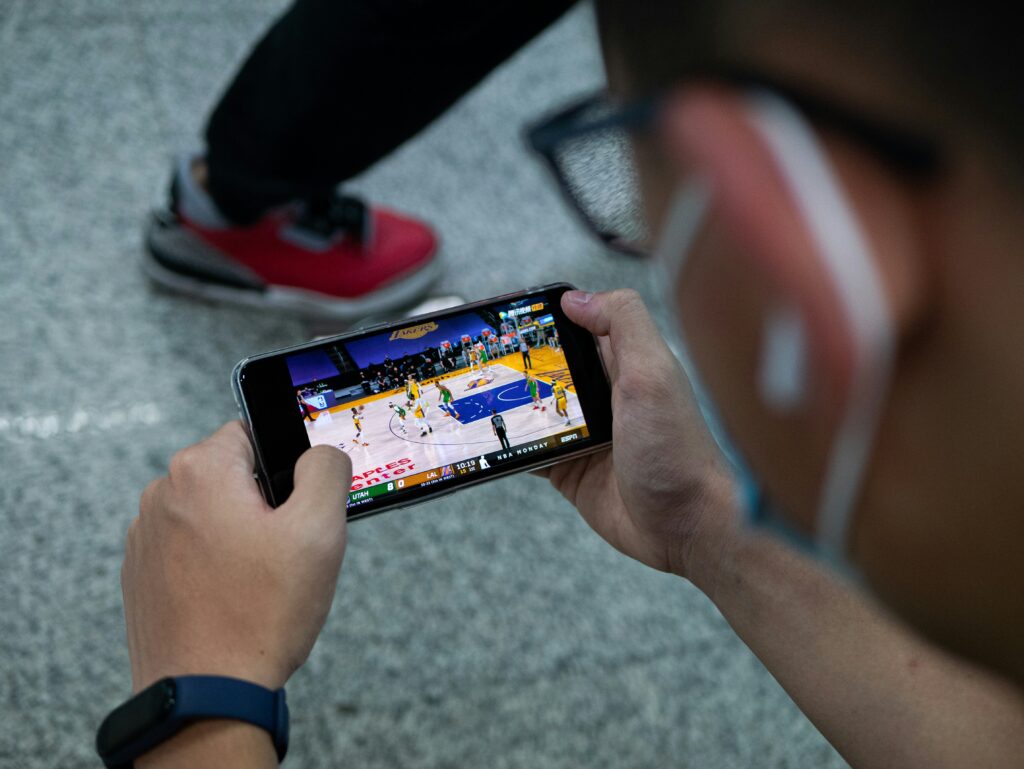

For all the attention given to blockbuster releases and console wars, there’s a quieter truth lurking in every gamer’s library: the real heartbeat of the industry lies in the ever-changing landscape of player experience. From niche indie titles to sprawling open-world adventures, the evolution of video games togamesticky is not just about graphics or speed—it’s about impact. If you’ve ever lost track of time while exploring a digital world, you’re not alone. https://togamesticky.com/video-games-togamesticky/ offers a deeper dive into how these games shape our time and behavior.
The Era of Experience-First Gaming
Modern players aren’t only looking for entertainment—they want immersion, connection, and agency. Developers today focus more on crafting emotionally engaging experiences than ever before. This is especially true in the growing trend of story-rich indies and thoughtfully designed mobile games.
Video games togamesticky captures this shift clearly. It’s a space where gamers are drawn to the gameplay loop not solely for competitive glory, but for emotional or narrative depth. Titles like “Celeste,” “Hades,” and “Spiritfarer” show what happens when you layer gameplay with meaning. They’re sticky—not because they’re addictive, but because they resonate.
Beyond Graphics: The Mechanics That Matter
For decades, the push for better graphics stole most of the spotlight. But players’ loyalty rarely hinges on polygon count alone. What keeps people coming back is design that understands their psychology. Behaviorally smart game mechanics—progress loops, strategic choices, risk-reward dynamics—are what make video games togamesticky.
A well-balanced game creates friction and flow: just enough challenge to feel earned, just enough reward to keep going. “Dark Souls” punishes. “Animal Crossing” relaxes. Both are sticky for different reasons.
Today, mechanics like procedurally generated encounters and non-linear storytelling refine replayability. Add in cooperative multiplayer or user-generated content, and you’ve got games that survive years past release.
Community: The Glue Behind Gamer Retention
Gaming no longer happens in isolation. Online platforms like Twitch and Discord foster communities that grow around games, enhancing engagement beyond the core gameplay. When players form bonds with others through a game, they often return—sometimes long after they’ve “finished” it.
Communities give games a second life. Think of “Minecraft,” now over a decade old yet still thriving—purely fueled by its community’s creativity. When talking about video games togamesticky, community features are integral. Forums, streaming integrations, user mods, and fan-made content all become reasons players stay looped into a title well past launch.
Monetization Models That Keep People Playing
Love it or hate it, monetization heavily influences game stickiness. The advent of free-to-play and live-service models shifted the industry’s approach. Games like “Fortnite” and “Genshin Impact” mastered the art of drip-feeding content alongside microtransactions. The result? Continuous engagement tied to short-term goals and long-term rewards.
The tension lies in balance—when monetization undermines fairness or fun, players bounce. But done right, it supports the evolving habit-forming nature of these games. Subscriptions, battle passes, limited events: they aren’t just cash grabs but tools to encourage regular player interaction.
Design Isn’t Just Entertainment—It’s Influence
Designers today don’t just make games—they build emotional frameworks. With research-backed strategies drawn from behavioral economics and UX psychology, titles are engineered to resonate deeper. Even sound design and color palettes are crafted to nudge mood and memory.
Video games togamesticky serves as a clear example of how titles exert more influence today than they did a decade ago. For younger generations especially, games often operate as tools for identity-building, problem-solving, and social connection.
When a game gets it right, it doesn’t just occupy your hours—it reframes how you measure progress, challenges, even relationships.
The Blurring Line Between Game and Life
Augmented reality (AR) and virtual reality (VR) are speeding toward mass acceptance. In this next wave, we’ll see more games intersect with physical environments and daily habits. From “Pokémon GO” to fitness-integrated titles like “Ring Fit Adventure,” the boundary between game and life is disappearing.
As players expect more meaningful integration, games will continue embedding into daily routines. That’s the truest mark of stickiness: when playing a game feels less like launching software and more like a default part of how you operate.
Final Thoughts
Video games togamesticky are no longer about playing—they’re about inhabiting. Whether it’s the pull of a compelling narrative, the motivation behind completing one more quest, or the desire to connect through shared missions, modern games are reshaping how we think, feel, and commit our time.
If you’re curious why certain games stay with you—long after the credits roll—it’s not just clever coding or fast graphics. It’s design that invites investment. And as long as players keep showing up for the experience, the evolution of sticky games will keep moving forward.