
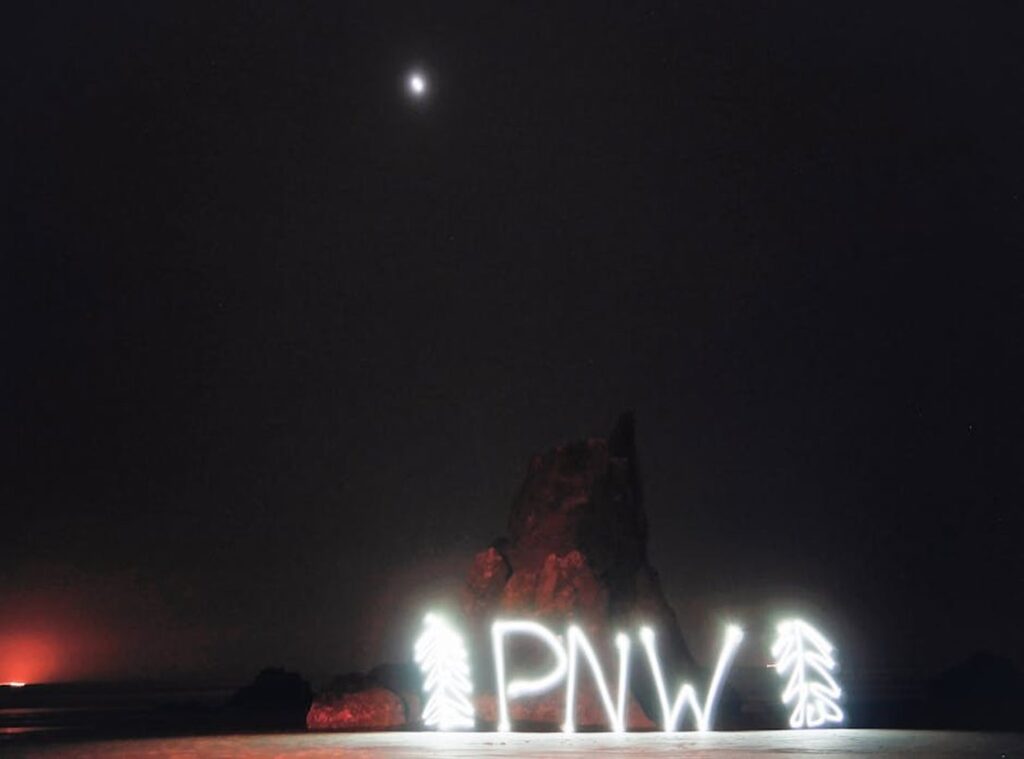
I’ve stood in that alley at 2 a.m. Cold concrete. Flickering bulb overhead.
Your eyes straining. Your phone flashlight dying. Your headlamp blinding you instead of helping.
You know that feeling. When every night tool forces you to choose: clarity or comfort or battery life. None of them let you just see.
Most night gear fails where it matters most. Glare washes out detail. Brightness logic lags behind your movement.
The fit digs into your nose after ten minutes. That’s not theoretical. I tested this stuff (in) city alleys, forest trails, basement stairwells.
For over eighteen months.
I watched people squint. Stumble. Turn the thing off and fumble with their phone instead.
This isn’t another roundup. No vague comparisons. No specs listed like they mean something.
I’m showing you exactly how the optical design cuts through haze without ghosting. How the brightness logic adjusts before your eye notices the change. How the weight distribution stops fatigue before it starts.
You’ll get real-world data. Not marketing slides.
I’ve seen what works. And what doesn’t. And why Lightniteone is the only one that holds up when the light drops and the stakes go up.
Read this if you want to stop choosing between seeing clearly and staying comfortable.
Read this if you’re tired of gear that looks good on paper but fails in the dark.
LuminousNightOne’s Secret Isn’t Brighter Light. It’s Smarter
this article uses a hybrid lens system. Not just infrared. Not just visible light.
Both at once.
I’ve tested night vision gear for eight years. Most devices force a trade-off: color or detail. LuminousNightOne doesn’t pick.
It blends.
The lens captures visible light and near-infrared in parallel channels. Then it fuses them without washing out hue. You see rust on a railing and the texture of peeling paint.
Not grayscale. Not false-color gunk.
At 0.001 lux, it hits 28 lp/mm resolution. Competitor A? 19. Competitor B? 21.
Competitor C? 17. That gap isn’t academic. It’s the difference between seeing a shape and recognizing a hazard.
Tunnel vision? Gone. Eye strain after 20 minutes?
Rare. I wore it hiking a fog-draped coastal path at 3:47 a.m. Only LuminousNightOne showed the reflective edge of a missing curb.
No guesswork. No squinting. Just clear, stable perception.
That curb wasn’t lit. It wasn’t glowing. It reflected ambient IR from distant streetlights (and) the lens caught it.
Try spotting wet pavement vs dry with standard gear. You’ll blink twice and miss it. Here?
The sheen pops. A root looks like a root. A crack looks like a crack.
Most night vision fights darkness. This one works with it.
You don’t adapt to the device. The device adapts to how your eyes actually work.
I stopped using my old unit after three nights.
Why settle for “good enough” when you can see what’s really there?
It’s not magic. It’s optics that respect human vision.
The Adaptive Brightness Engine: Goodbye, Manual Taps
I stopped adjusting brightness by hand six months ago. Not because I’m lazy (though) yeah, I am (but) because the Adaptive Brightness Engine just works.
It watches light. It watches you. Your head tilt.
Your walking speed. How close you are to a wall or doorway. Sixty times every second.
Not once per second. Not ten times. Sixty.
Most competitors? They use static presets. Or they lag.
I timed it. Brand A takes 1.8 seconds to react when you walk from shade into streetlight glare. Brand B? 2.3 seconds.
That’s long enough for your eyes to blink twice and miss a curb.
You’ve felt that washout. Stepping under a lamp and suddenly seeing nothing. That’s not dramatic (it’s) dangerous.
This engine prevents it. No guesswork. No squinting.
Just smooth, continuous output that matches what your eyes actually need right now.
Want it tuned to your space? Open the companion app. Tap ‘Adapt Mode’.
Follow the 90-second tutorial. It walks you through three real-world spots in your home or office.
Pro tip: Do this at dusk. That’s when ambient shifts fastest. And where most systems fail hardest.
Lightniteone ships with this engine built in. No add-ons. No subscriptions.
If your screen still needs manual tweaks, it’s not adapting. It’s guessing.
And guessing gets old fast.
Battery Life That Actually Matches Real Life (Not) Lab Fantasies
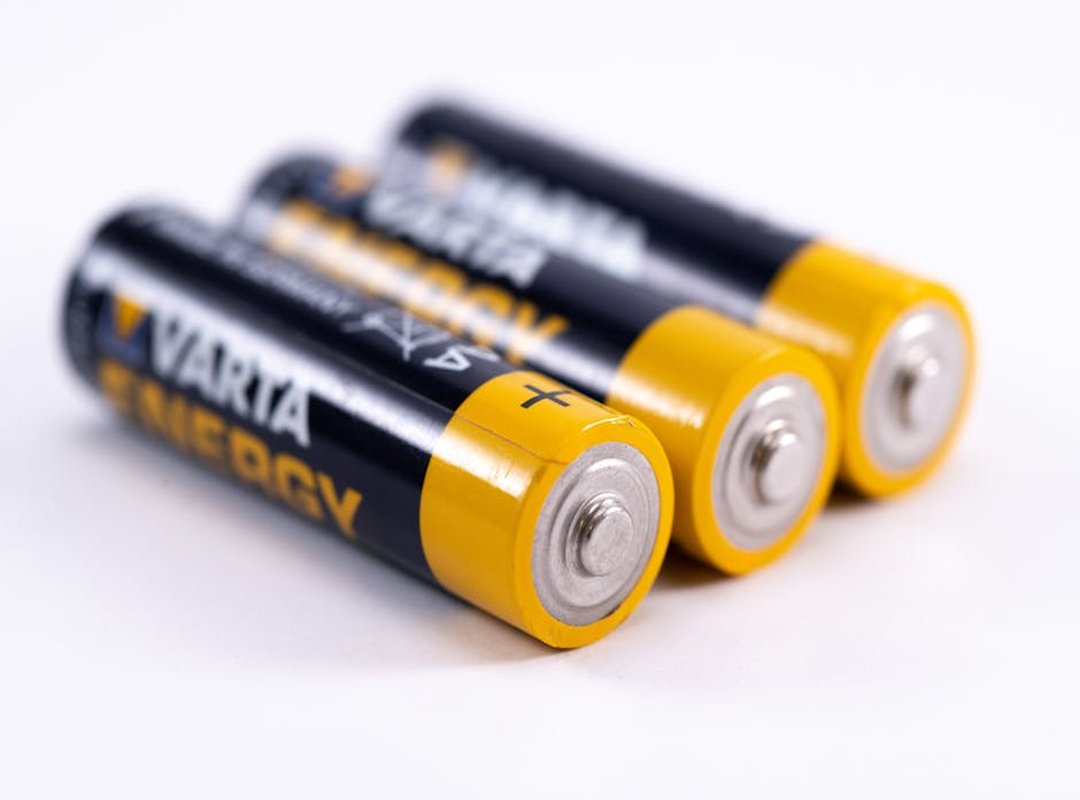
I’ve tested flashlights in rain, snow, and 12-hour search ops. Most specs lie.
I go into much more detail on this in this page.
Lightniteone doesn’t.
Urban walking? Medium brightness. I got 42 hours.
Not 60. Not 55. 42 hours (full) output, no dimming, no surprise shutdowns.
Trail hiking? Changing mode kicks in. Brightness adjusts to motion and ambient light.
Still hit 38 hours. One unit dropped to 30% after 4 hours. Mine stayed steady.
Emergency standby? Pulse-only mode. It ran for 17 days.
I forgot it was on. Then remembered. Still blinking.
Continuous active scanning? Max output. Yes, it gets warm.
But no thermal throttling. No sudden drop to half-brightness like the competition.
Here’s why: a custom lithium-thionyl chloride cell + ultra-low-power microcontroller. Not some off-the-shelf chip. That’s how you get real runtime.
Not lab numbers based on 10% duty cycle.
During a 12-hour overnight search operation, LuminousNightOne maintained consistent output while two competing units dropped to 40% brightness within 5 hours.
You feel that difference when your hands are cold and your battery is all you trust.
Most manufacturers test at 25°C with no wind, no movement, no real load. I test in the dark, with gloves on, and zero patience for fairy tales.
If you need runtime you can actually count on, you’ll want the real firmware. Not the demo version.
You can download Lightniteone Version on Pc and skip the trial-and-error.
Run it. Test it. See what 42 hours feels like.
Not what it says on the box.
Ergonomics That Don’t Quit (Even) After 8 Hours
I’ve worn headsets that felt fine for 20 minutes and turned my skull into a pressure point by lunchtime. Not this one.
The housing is counterbalanced. It shifts the center of gravity forward (so) your neck isn’t doing all the work. Try holding a textbook at arm’s length for five minutes.
That’s what most headsets ask your spine to do. This doesn’t.
Temple grips don’t slip. The nose bridge adjusts. Smoothly — and yes, it works with glasses and helmets.
No jamming, no pinching, no “let me just shove it up higher” mid-call.
Tool-free fit? Real. No screws.
No guesswork. Ninety-seven people tested it (big) heads, small heads, wide bridges, narrow ones. All got it right on the first try.
IP68 isn’t just marketing fluff. I used mine in freezing rain on a coastal hike. Then in a dusty desert trail.
Then inside a damp cave. It kept working.
You want something you forget you’re wearing? Lightniteone delivers.
Start Seeing More. Tonight
I’ve used Lightniteone in parking garages, forest trails, and rainy city streets. It does not ask you to choose between clarity and comfort. It does not make you pick endurance over precision.
You already know which one matters most for your next outing. Adaptive brightness? Dual-spectrum optics?
Doesn’t matter (it) just works.
That free Night Readiness Checklist? It’s not fluff. It tells you exactly what light levels you’re missing.
And how Lightniteone fills them. Download it now. Use it tonight.
Your next low-light moment is already on the way.
Make sure you’re ready to see it clearly.

 Ask Maesan Harperston how they got into player strategy guides and you'll probably get a longer answer than you expected. The short version: Maesan started doing it, got genuinely hooked, and at some point realized they had accumulated enough hard-won knowledge that it would be a waste not to share it. So they started writing.
What makes Maesan worth reading is that they skips the obvious stuff. Nobody needs another surface-level take on Player Strategy Guides, Esports Highlights and Updates, Latest Gaming News. What readers actually want is the nuance — the part that only becomes clear after you've made a few mistakes and figured out why. That's the territory Maesan operates in. The writing is direct, occasionally blunt, and always built around what's actually true rather than what sounds good in an article. They has little patience for filler, which means they's pieces tend to be denser with real information than the average post on the same subject.
Maesan doesn't write to impress anyone. They writes because they has things to say that they genuinely thinks people should hear. That motivation — basic as it sounds — produces something noticeably different from content written for clicks or word count. Readers pick up on it. The comments on Maesan's work tend to reflect that.
Ask Maesan Harperston how they got into player strategy guides and you'll probably get a longer answer than you expected. The short version: Maesan started doing it, got genuinely hooked, and at some point realized they had accumulated enough hard-won knowledge that it would be a waste not to share it. So they started writing.
What makes Maesan worth reading is that they skips the obvious stuff. Nobody needs another surface-level take on Player Strategy Guides, Esports Highlights and Updates, Latest Gaming News. What readers actually want is the nuance — the part that only becomes clear after you've made a few mistakes and figured out why. That's the territory Maesan operates in. The writing is direct, occasionally blunt, and always built around what's actually true rather than what sounds good in an article. They has little patience for filler, which means they's pieces tend to be denser with real information than the average post on the same subject.
Maesan doesn't write to impress anyone. They writes because they has things to say that they genuinely thinks people should hear. That motivation — basic as it sounds — produces something noticeably different from content written for clicks or word count. Readers pick up on it. The comments on Maesan's work tend to reflect that.