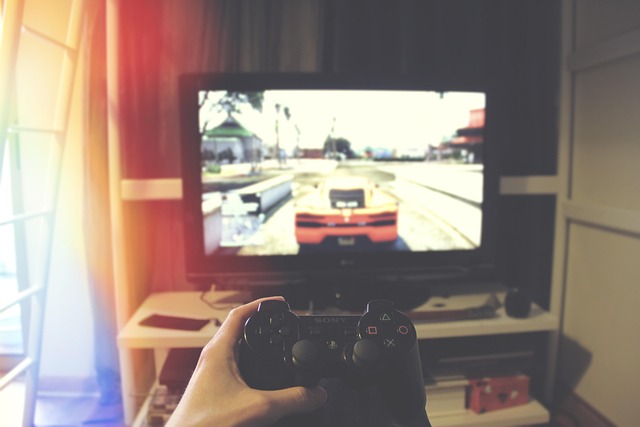

If you’re looking at how video games have evolved into more than just play, welcome to the world of gaming togamesticky. It’s not just about entertainment anymore; it’s a convergence of culture, tech innovation, and even mental well-being. For a deeper dive into this transformation, check out this topic that explores the full spectrum of what gaming means today.
The New Definition of Gaming
Once considered a solitary pastime or a weekend escape, video gaming has grown into a massive global force that transcends borders and generations. The rise of online multiplayer platforms, content creation, and mobile gaming has made participation more accessible than ever. But gaming togamesticky isn’t just about flashy graphics or competitive leaderboards—it’s about engagement, connection, and a redefined digital lifestyle.
Gamers today aren’t just players—they’re streamers, thinkers, and community leaders. From Twitch broadcasts to Discord communities, they’re building identities around their favorite titles and forming lasting social ties.
The Sticky Factor: What Keeps Us Coming Back
There’s a term in user experience design: “stickiness.” It refers to how well something captures and retains your attention. In this case, gaming togamesticky nails it.
Games are engineered around reward systems, narrative depth, and progressive challenge. This design actively encourages feedback loops—completing a level unlocks something new, winning a match earns rewards, and so on. Unlike passive entertainment like movies, games make you interact, adapt, and apply strategy. That kind of engagement builds loyalty, interest, and yes, stickiness.
But the stickiest part may be the social layer. Multiplayer games provide frictionless socialization and cooperative competition. You’re grinding XP with your friends or queuing into ranked matches with people worldwide—and that connection is tough to replicate elsewhere.
Cultural Influence and Acceptance
Once niche, gaming is now mainstream—movies, music, fashion, and even education have been influenced by video game culture. Look at the use of gaming mechanics in school learning platforms or the popularity of game-themed merchandise. Even game soundtracks are now performed live by orchestras around the world.
We’re seeing a growing recognition of gaming as a legitimate medium of artistic expression, too. Indie developers, unfettered by giant studio constraints, are creating stories and experiences that challenge, question, and move players. Titles like Celeste, Hades, and Journey aren’t just games; they’re storytelling milestones.
This broader culture shift is part of what elevates gaming togamesticky above ordinary digital pastimes—it’s shaping how we think, connect, and even solve real-world problems.
Beyond Fun: Cognitive and Emotional Benefits
While research is ongoing, multiple studies suggest that gaming may improve cognitive flexibility, strategic thinking, and even empathy. Puzzle games hone problem-solving; RPGs can enhance ethical reasoning through complex decision-making scenarios. Even fast-paced action titles may improve reflexes and hand-eye coordination.
Emotional resilience? That too. Gamers often face failure and try again—resilience is baked into the experience. When done in moderation, this builds grit, perseverance, and patience.
There’s also a mental health angle. For some, gaming offers an escape or a controlled way to cope with stress and anxiety. Especially during times of isolation—like global lockdowns—games became a vital social and emotional outlet.
Professional Pathways and Economies
Another shift? Gaming has become a real career path. From competitive esports players to game designers, content creators, marketers, and community managers, the industry isn’t just growing—it’s hiring.
Streaming platforms like Twitch and YouTube Gaming have allowed individuals to turn passion into income. Game testing and development roles are on the rise, and companies need creative thinkers who understand game communities. Being good at a game once meant bragging rights—now it might mean a paycheck.
It’s easy to see why gaming togamesticky resonates with so many: it sits at the intersection of work, play, identity, and community. Whether you’re coding the next big game or dissecting patch updates on a podcast, this is more than a hobby—it’s a viable, complex, and growing ecosystem.
Responsible Gaming: Boundaries Matter
Of course, with engagement comes risk. Game addiction is real, and poor boundaries can quickly lead to unhealthy habits. Like any relationship with digital tech, users need tools and awareness to manage time and expectations wisely.
Developers are starting to help. Parental controls, screen-time reminders, and healthy-play badges are being integrated to reinforce positive usage. Conversations around digital well-being have entered the community landscape—and that’s a healthy signal of maturity.
Still, it’s on the users too. Having clear intentions—whether it’s fun, competition, relaxation, or learning—can turn gameplay into something productive and balanced.
Final Note: The Game Has Changed
Whether you’re new to gaming or a seasoned player, one thing is clear: gaming isn’t just playtime anymore—it touches every part of modern life. With influences on education, art, business, and social structure, the rise of gaming togamesticky signals a redefinition of how we interact with technology and each other.
Games today are immersive narratives, mental gyms, community hubs, and even launchpads for careers. They stick with us for a reason—and that reason keeps evolving.
You’re not just logging in to play—you’re stepping into a world that’s part of a much bigger story.

 There is a specific skill involved in explaining something clearly — one that is completely separate from actually knowing the subject. Loisha Schaeferer has both. They has spent years working with latest gaming news in a hands-on capacity, and an equal amount of time figuring out how to translate that experience into writing that people with different backgrounds can actually absorb and use.
Loisha tends to approach complex subjects — Latest Gaming News, Upcoming Game Releases, Esports Highlights and Updates being good examples — by starting with what the reader already knows, then building outward from there rather than dropping them in the deep end. It sounds like a small thing. In practice it makes a significant difference in whether someone finishes the article or abandons it halfway through. They is also good at knowing when to stop — a surprisingly underrated skill. Some writers bury useful information under so many caveats and qualifications that the point disappears. Loisha knows where the point is and gets there without too many detours.
The practical effect of all this is that people who read Loisha's work tend to come away actually capable of doing something with it. Not just vaguely informed — actually capable. For a writer working in latest gaming news, that is probably the best possible outcome, and it's the standard Loisha holds they's own work to.
There is a specific skill involved in explaining something clearly — one that is completely separate from actually knowing the subject. Loisha Schaeferer has both. They has spent years working with latest gaming news in a hands-on capacity, and an equal amount of time figuring out how to translate that experience into writing that people with different backgrounds can actually absorb and use.
Loisha tends to approach complex subjects — Latest Gaming News, Upcoming Game Releases, Esports Highlights and Updates being good examples — by starting with what the reader already knows, then building outward from there rather than dropping them in the deep end. It sounds like a small thing. In practice it makes a significant difference in whether someone finishes the article or abandons it halfway through. They is also good at knowing when to stop — a surprisingly underrated skill. Some writers bury useful information under so many caveats and qualifications that the point disappears. Loisha knows where the point is and gets there without too many detours.
The practical effect of all this is that people who read Loisha's work tend to come away actually capable of doing something with it. Not just vaguely informed — actually capable. For a writer working in latest gaming news, that is probably the best possible outcome, and it's the standard Loisha holds they's own work to.