
If you’re trying to figure out how retro console tech has evolved and why nostalgia-driven gaming refuses to slow down, look no further than gamestick togamesticky. The transition from a compact stick-style console to a more polished and flexible gaming ecosystem reflects a bigger story in how we consume our nostalgia today. For more on this, check out togamesticky, where they break down the leap in both design and user experience.
The Roots of Compact Consoles
Let’s rewind a bit. Around the early 2010s, HDMI dongle-style consoles like GameStick hit the market as a way to offer portable, Android-based gaming on TVs. These devices were simple: plug into the HDMI port, connect a controller, and play. They catered mostly to casual gamers looking for low-cost alternatives to full-fledged consoles.
GameStick, for instance, came preloaded with a handful of games and promised on-the-go gaming with minimal hardware. The big draw? Portability. Early adopters, however, soon bumped into limitations — sluggish UI, limited storage, few good games, and clunky navigation.
This is where gamestick togamesticky really starts to matter.
Where Form Meets Function
Fast-forward a few years, and gamers started expecting more — better performance, richer interfaces, smoother gameplay, more titles. The first-gen devices couldn’t keep up. That’s when togamesticky emerged as a more modern twist. It still kept the plug-and-play mentality, but with smarter design choices: better specs, improved controller pairing, and optimized game catalog access.
While GameStick was stuck in the Android 4.x era and lacked consistent updates, the newer iterations under the togamesticky identity upgraded everything quietly but meaningfully. This wasn’t a reboot — it was an evolution. Think less echo of a Kickstarter gadget and more polished all-in-one game station.
Why This Matters Now
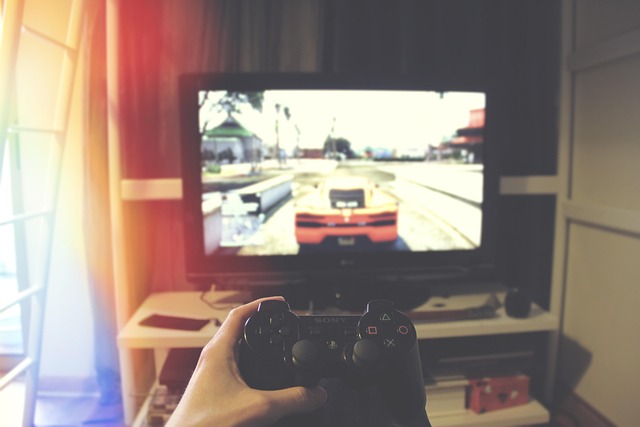
Gamers today span a wider age range. For every tween piling into battle royales on a PS5, there’s a 30-something player wanting to revisit ‘90s platformers or early 2000s fighters. But they want ease too: one device, no messy ROM sourcing, no emulator headaches.
Gamestick togamesticky gives them that path. Instead of tweaking software for hours, you’re turning on the device and playing. Think of it as a bridge — between nostalgia and convenience, between retro and modern minimalism.
Plus, it supports more titles out of the box, offers cleaner firmware, and features customizable game libraries. For anyone who used to spend weekends swapping cartridges, today it’s just a five-minute setup before diving into Blast Corps or Tekken Tag.
Hardware That Keeps Up
Performance is the elephant in the room when dealing with compact consoles. Early versions choked under simple emulation tasks. The gamestick togamesticky update focuses on leveraging off-the-shelf hardware that’s already proven, pairing it with system software optimized for retro enthusiasts — without bloating or unnecessary features.
With modern HDMI output, quick boot times, support for high-capacity external storage, and far better Bluetooth connectivity, the product isn’t just a throwback. It’s quietly competitive with pricier setups that require more tech knowledge. For gamers who want to play and not configure for hours, it hits the mark.
The Retro Boom Is No Fad
Here’s the thing: nostalgia sells, but only when it works. The joke in the gaming community used to be, “Retro devices are cool until you try to use one for real.” That’s changed.
Gamestick togamesticky is part of a movement that recognizes retro gaming as a serious pastime with serious expectations. Players don’t want glorified toys — they want function that feels intentional.
The rise of devices like the Analogue Pocket or the resurgence of physical cartridge collecting show there’s a hunger out there. But not everyone wants high price tags or rare hardware. Sometimes, the best experience is plug-and-play simplicity with enough horsepower to run MAME without lag.
What the Future Holds
Here’s what we’re likely to see in the next chapter of devices like gamestick togamesticky:
- Cloud Syncing: Save states that follow you across devices.
- Better Interfaces: Smart search, genre filters, and community-driven game lists.
- Controller Expansion: Support for more modern brands without finicky pairing.
- Online Co-op: Retro multiplayer isn’t just local couch play anymore.
These devices are no longer “hacks” or side projects. They’re purpose-built, commercially viable, and purpose-driven. Which makes sense — gaming has never been more accessible, and the retro crowd wants access on their own terms.
A Quiet Powerhouse
Going from gamestick togamesticky wasn’t just about improving specs. It was about understanding that retro gaming is more than fun — it’s cultural memory. And like any good memory keeper, the device had to be easy to live with, reliable, and ready when you are.
So while the switch may seem subtle on the surface — better firmware here, snappier controller response there — the big picture is clear. Nostalgia now demands quality. It’s no longer a novelty; it’s an expectation.
And when a device steps up — quietly, efficiently, confidently — it doesn’t just ride the nostalgia wave. It earns its place in your setup.