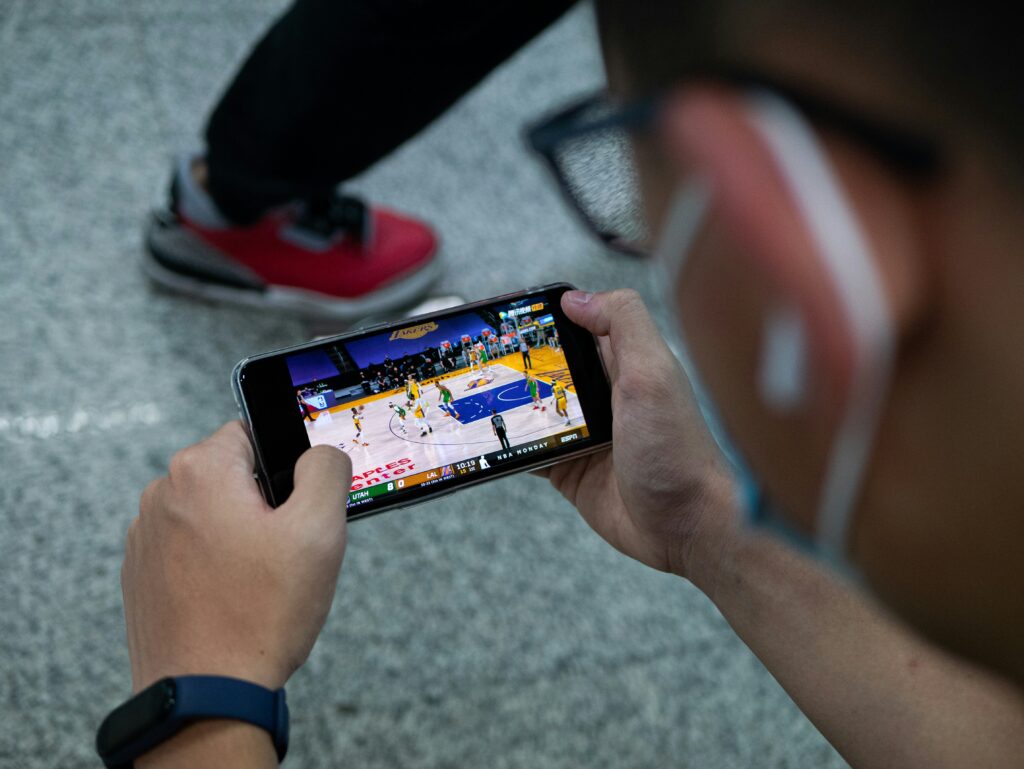

In recent years, one of the most debated topics in the world of competition and entertainment is the rise of esports and how it stacks up against legacy athletics. The conversation about esports vs traditional sports bfncplayer is more than just about preference—it touches on culture, physicality, industry growth, and media evolution. If you’re looking to explore the similarities, differences, and the future of these rival formats of competition, check out this essential resource to gain solid context.
Defining the Arenas
Before we dive in, let’s get specific. Traditional sports refer to longstanding physical games like football (soccer), basketball, baseball, and countless others that involve athletes performing in physical spaces governed by historic rules. Esports, on the other hand, refers to competitive video gaming. Titles like League of Legends, Counter-Strike, and FIFA have developed structured leagues, major tournaments, and even collegiate programs.
Though the format and physical exertion levels differ, both forms demand strategy, discipline, and skill.
Performance and Training: Physical vs Mental Tactics
When comparing esports vs traditional sports bfncplayer, performance and training methods are often the first battleground. Athletes in traditional sports train their bodies through strength, endurance, and agility conditioning. Esports players, meanwhile, spend endless hours improving reaction times, memorizing maps, refining tactics, and sharpening precision.
Yes, esports doesn’t require sprinting down a field, but a top-tier esports athlete still trains rigorously—sometimes 10+ hours a day—often battling mental fatigue, eye strain, and emotional pressure. Just because the body stays seated doesn’t mean the training is any less intense.
Both camps rely heavily on nutrition, coaching, and analytics. Whether it’s a quarterback studying game film or a gamer reviewing playbacks, strategy and reflection are central elements of high-level performance.
Cultural Impact and Growth Trajectory
Let’s not ignore where the eyes—and dollars—are going. Traditional sports possess deep roots globally, with some franchises over a century old. They command massive media deals, billion-dollar team valuations, and generations of loyal fans.
But don’t underestimate esports’ trajectory. Over the past decade, esports has exploded in global popularity. Events like The International (Dota 2) or the League of Legends World Championship attract millions of live viewers—rivaling the Super Bowl and NBA Finals. Moreover, revenue from sponsorships, ad deals, and merchandise has given esports real financial gravitas.
The younger demographic—especially those aged 18 to 34—is leaning more toward esports lately, broken from cable TV and gravitating toward interactive online platforms like Twitch and YouTube. Traditional sports still reign mainstream, but esports is clearly on its heels.
Accessibility and Barriers to Entry
Another major point in the esports vs traditional sports bfncplayer debate is accessibility. Traditional sports often require physical space, expensive gear, and at times, a well-funded school or local club. While pickup games exist, organized progression typically demands significant financial investment.
On the flip side, esports requires a decent internet connection, a gaming setup, and time. The barrier to entry—though not insignificant—is different. Aspiring players can start playing competitively from their bedroom. Tournaments, online ladders, and livestreaming have democratized the path to visibility and competition.
That doesn’t mean it’s easy. Success still demands relentless practice, social clout, and sometimes sponsorship backing. Yet, in many ways, esports levels the playing field compared to sports dependent on geography or affluence.
Team Dynamics and Individual Pressure
Team strategy, leadership, and real-time decision-making are required in both formats. In basketball, quick passes and fluid court communication are key. In Counter-Strike, crisp callouts and map synergy can mean the difference between win and loss.
What’s more interesting is how roles differ within each ecosystem. In traditional sports, team captains, coaches, and veterans often hold distinct on-field and locker room influence. In esports, leadership can emerge less formally, through consistent play, game IQ, or social charisma.
In both worlds, singular moments of brilliance—and individual failure—can determine the outcome of a game or tournament. Handling that pressure is a shared experience, regardless of whether you’re holding a controller or a bat.
Longevity and Injury Concerns
Conversations about athlete longevity often bring sharp contrasts. Careers in traditional sports can be cut short by injuries or physical wear, especially in contact sports like football. On average, professional athletes peak in their 20s or early 30s.
Esports players usually face shorter windows at the highest levels due to mental fatigue and shifting game metas (rules or systems of popular competitive tactics). Reflexes start slowing in the mid-20s, and many professionals either retire early or pivot to streaming, coaching, or commentary roles.
Both athlete types suffer injuries, albeit different ones. Traditional athletes face ligament tears and fractures, while esports competitors deal with carpal tunnel, back issues, or even burnout.
Sponsorships and Media Acceptance
Media recognition and sponsorship dollars largely defined legitimacy in past decades. For years, esports battled for credibility—and often got dismissed as “not real sports.” That narrative is changing. Big-name sponsors (Coca-Cola, Intel, Red Bull) have entered the scene. College scholarships, televised finals, and even Olympic consideration are becoming common.
Traditional sports still dominate prime-time coverage and mainstream brand deals, yet esports is building a new kind of celebrity. Streamers and pro players build massive followings independently. Whether it’s via Twitch, Twitter, or YouTube, top esports personalities often have greater direct fan engagement than traditional athletes filtered through media teams.
The Future Path: Coexistence or Convergence?
Rather than asking which is better in the esports vs traditional sports bfncplayer discussion, it may be more useful to consider how the two worlds can grow in parallel—or even merge. We’re seeing crossover attempts already: traditional sports teams buying esports squads, athletes launching gaming brands, and major events blending physical and digital experiences.
Tech integration, VR development, and shifting consumer preferences suggest that hybrid models may thrive. Competitive spirit has many forms, and the barrier between them is getting thinner.
Final Thoughts
At its core, both esports and traditional sports are about competition, excellence, and fan engagement. They challenge skills, create communities, and entertain millions. Deciding which is “better” misses the point. Each brings something unique to the table. And for the modern fan, there’s no need to choose sides—there’s room on the screen (or field) for both.

 Trevana-Eldwain is our editor, responsible for refining content and ensuring clarity, quality, and consistency across the site. Their attention to detail helps deliver a smooth and engaging experience for our audience.