
Prioritize Core Resources First
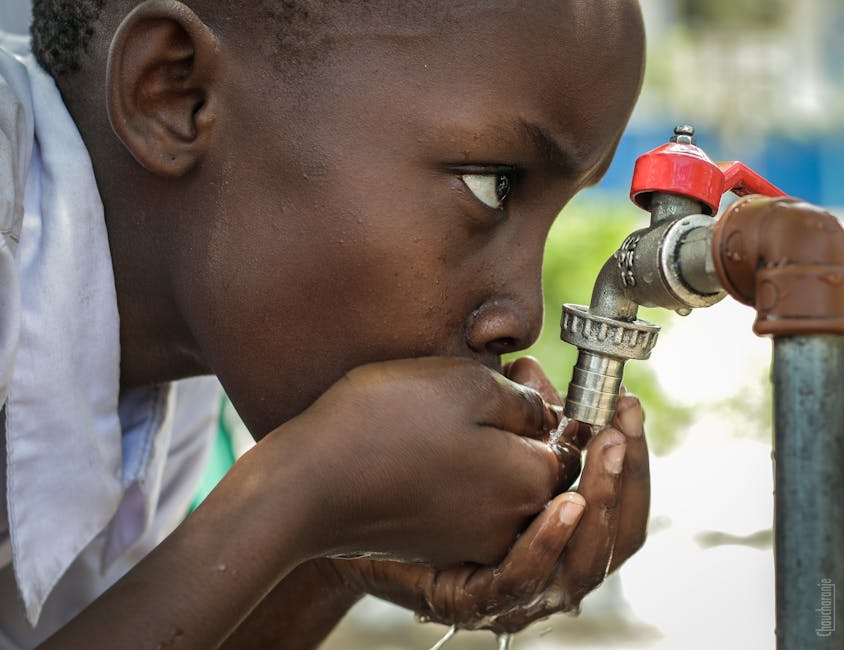
Survival doesn’t start with building a fortress. It starts with food, water, and shelter your non negotiables. Without them, you’re not playing smart; you’re playing to die. Early game, forget aesthetics or fancy gear. Your first moves should secure basic hydration, a renewable food source, and a place to sleep without getting mauled or frozen.
Time management plays a huge role. Daylight hours are for gathering and scouting it’s when visibility is high, and threats are easier to spot. Night is when you hunker down. Fortify whatever shelter you’ve got, keep your gear in order, and prep fuels or traps if the game allows it. You don’t want to be outside when the wolves start howling or worse.
Also, learn the difference between renewable and finite resources fast. Trees might regrow, but that ore vein won’t. A lake might refill over time, but your canned food doesn’t respawn. Knowing what you can burn through and what you need to conserve is the difference between thriving and scraping by. Burn smart, build smarter.
Inventory Discipline Is Key
Resource management isn’t just about grabbing as much as you can it’s about knowing what to leave behind. Every slot in your pack is precious. If it’s filled with broken gear, duplicate junk, or materials you never actually use, you’re slowing yourself down. If it doesn’t feed, fuel, or fix something soon, ditch it.
Lean into stackable items as early as possible. Stackables can mean the difference between hauling one unit or a dozen in the same space. Bonus: you save time on backtracking and reduce the need for risky supply runs.
And don’t baby your gear. Rotate tools before they hit that critical red zone. Better to cycle out a half used axe on your terms than lose it mid raid or halfway through chopping crucial materials. Play smart and stay ahead of wear and tear.
Know Your Map, Know Your Flow
Day one, your biggest weapon isn’t a blade it’s information. The best survivors don’t just stumble around hoping to trip over supplies. They scout. Fast. Get familiar with the terrain early and identify where key resources spawn wood lines, water sources, ore veins it all matters. Map knowledge gives you options. Ignorance gets you killed.
Once you know the lay of the land, start building out supply routes and fallback safe zones. Don’t wait until you’re low on health and food to realize you’ve got no path back to base. Set up basic stations near critical points fires for warmth, chests for storage, beds if the game allows. Think of it like setting anchors in a climbing route: these are your lifelines.
And unless you want to spend half the game lost in the woods, use landmarks. Mountains, rivers, weird looking trees anything that makes a spot recognizable. Combine this with in game map tools or manual marking systems where possible. Efficiency isn’t glamorous, but it’s how you win the long game.
Crafting With Purpose

In the early game, crafting is survival. But that doesn’t mean crafting everything you can. Stick to the essentials tools, shelter, and anything that keeps you alive through the first few nights. Every log, stone, or scrap of cloth matters, and wasting them on gear you don’t need can cost you later.
As you move into mid and late stages, it’s all about systems. Set up crafting stations, automate where you can, and create efficient loops. Your job shifts from hands on survivalist to manager. This is where streamlined processes pay off less micromanagement, more momentum.
Rare components? Guard them. They’re not for early game comfort they’re for critical upgrades when they’ll actually shift the game in your favor. Think power cores, high tier metals, or unique drops. Burn them too early, and you might block your own progress later on.
Don’t Just Collect Plan Long Term
Surviving day one is one thing. Making it to day thirty is another. That’s where sustainability comes in. Set up farms early basic crops first, then scale up as tools improve. Water collectors and filtration stations should follow. Power? Solar’s slow but steady; wind and generators have their own quirks. Plan your builds around consistency, not just spikes of productivity.
The game won’t go easy on you. Creature spawns aren’t random forever they follow patterns. Know when and where they come, or you’ll wake up to ash. Raids are even worse: if your base isn’t reinforced or your loot hidden well, you’re inviting destruction. Seasons matter, too. Winter strips food and slows movement. Rain kills visibility and power generation.
Every decision feeds into the next cycle. Build with foresight. Automate what you can, rotate crops, restock defensive supplies. Your setup today should work twice as hard tomorrow. In resource games, prepping isn’t just smart it’s survival.
Time Is a Resource Too
In survival games, it’s not just materials that matter your time is one of the most critical resources. Mismanaging it can mean missing key items, getting caught in the dark, or wasting whole in game days.
Minimize Downtime
Efficiency should guide your every move.
Queue items: Set up crafting queues before heading out on supply runs.
Multitask often: Cook while building, mine while waiting for water to boil.
Plan routes: Combine nearby objectives into a single outing no wasted steps.
Sleep Smarter
Rest is essential, but careless napping can cost you daylight and safety.
Sleep only when needed: Don’t over rest if your character isn’t at risk of fatigue.
Camp strategically: Place beds near crafting stations or shelters.
Time your rest: Sleep during bad weather or night to wake at dawn fully productive.
Watch the Weather
In many survival titles, weather impacts visibility, movement, and resource availability.
Storm prep: Finish major gathering before a storm rolls in.
Shelter up: Know where to hide when weather turns deadly.
Rainy day logic: Use storms as break time for crafting, organizing, or planning.
Savvy players treat every in game minute as meaningful. Time spent doing nothing is time you’re falling behind. Plan accordingly, and turn every second to your advantage.
Strategic Thinking From Turn Based Games
In survival games, every decision burns fuel time, energy, opportunity. That’s where strategies from turn based games come in handy. In those games, you don’t just charge in. You conserve, calculate, and commit when the odds swing your way. Same goes here.
Start with resource conservation. Don’t waste rare materials on flashy builds early. Save them for when they’ll unlock real momentum. Hoarding isn’t the move; precision is.
Next the rhythm, the momentum balance. Push too hard and you’ll burn out your reserves. Wait too long, and threats outscale you. Know when to build, when to scout, when to dig in. Every action should have a purpose, not just keep you busy.
Finally, minimize randomness. If you’re relying on luck to pull through, the system’s already folding in on you. Plan paths, streamline repeats, and build tight loops of control. Strategy isn’t drama it’s discipline.
Survival isn’t always about reacting fast. Sometimes it’s about thinking one move ahead and owning the board.
Save, Assess, Adjust
Saving isn’t just a fallback it’s a tactical weapon. Use multiple slots, especially before major decisions, risky missions, or seasonal changes. One corrupt file or wrong move shouldn’t cost you ten hours of progress.
Next, audit your playstyle like a strategist. Are you hoarding gear with no real use? Rushing objectives and leaving gaps in defense? Or stalling too long in zones that offer diminishing returns? Naming the pattern helps you break it or double down if it’s working.
Flexibility is survival. That build you swore by early game might get wiped in one ambush later on. Enemies evolve. So should you. What works in one biome might fail spectacularly in another. Make peace with letting go of obsolete plans. Adaptation beats habit, every time.