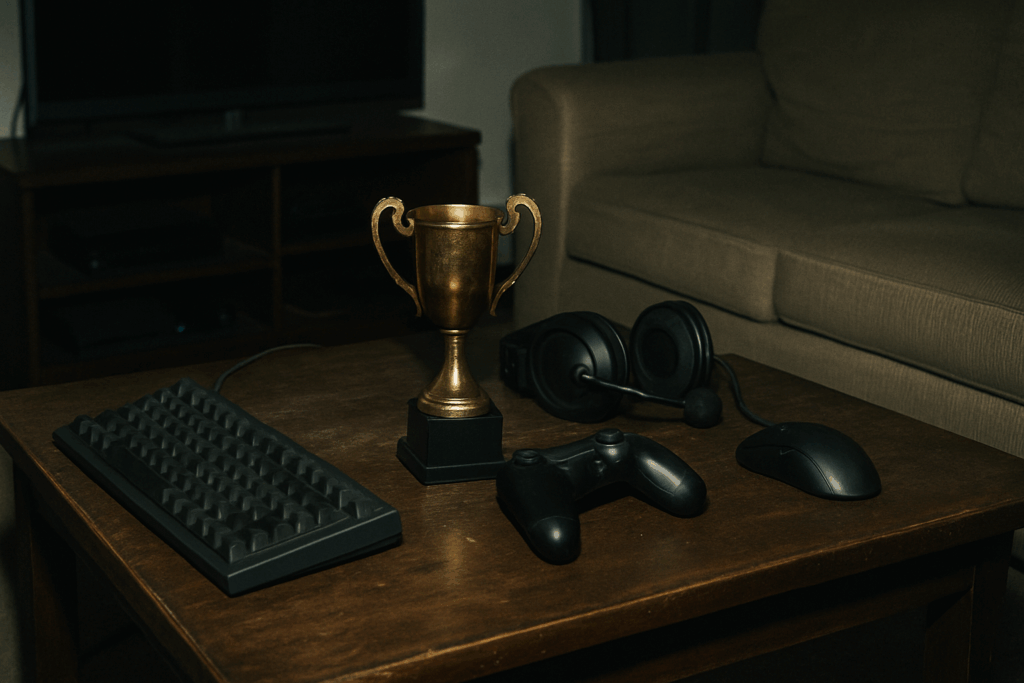

Smarter NPCs Are Just the Start
AI is no longer just a behind the scenes tool it’s now shaping who you talk to and how they talk back. Developers are building non player characters (NPCs) that do more than just repeat scripted lines. With AI, these characters can now respond to your actions in real time, show basic emotional shifts, and even adapt their goals based on how you’ve played so far. Static quest givers are turning into dynamic personalities.
Under the hood, behavior trees are being replaced or at least heavily upgraded. Instead of rigid branches, new systems map learning paths that let characters “observe” player choices and adjust their behavior. Think of a rival who learns that you always flank left and starts countering it mid game. It’s not just smarter AI it’s AI that evolves in sync with the player.
The payoff? First, immersion feels deeper. These NPCs don’t just exist they react. Second, development teams don’t have to script endless conditionals. AI helps reduce the grunt work, freeing designers to focus on narrative logic and gameplay feel. The end result: fewer robotic characters, more living, breathing game worlds.
Personalized Player Experiences
Forget one size fits all campaigns. AI is now shaping how you experience a game minute by minute. These systems watch how you play: your skill level, your choices, your pacing. Then they react. Struggling in combat? The difficulty might level off just slightly. Speed running quests? The game could drop in tougher enemies or alternate objectives. Story paths can evolve too, factoring in your decisions and preferred play style.
That same intelligence powers a growing shift away from rigid difficulty modes. Instead of picking “Easy” or “Hard” up front, players get something that adapts naturally. This makes games more accessible without killing the challenge and keeps veterans on their toes.
Then there’s procedural content, now getting a serious upgrade through machine learning. We’re talking worlds that rebuild themselves with meaning, not just randomness. The result? Endless new terrain, enemy types, and mission structures without endless dev crunch.
Explore more about these breakthroughs in AI gaming developments
AI Assisted Game Design

AI isn’t replacing game designers it’s becoming their most flexible co pilot. Right now, top studios are plugging generative tools into every part of the creative process. Designers use AI to suggest level layouts, test multiple design variants, and even spit out concept art based on a few lines of text. It’s fast, it’s efficient, and when used right, it lets developers iterate more in a day than they used to in a week.
This kind of speed matters. Studios are under pressure to deliver high quality games on tighter timelines. AI helps with rapid prototyping, polishing rough mechanics, and tightening visuals based on real player data. Games can adjust mid development, tuned toward what actually works not just what someone thinks might work.
Crucially, AI isn’t making the final call. Creative control still sits with humans. What’s changing is how quickly designers can adapt tweaking layout ideas based on heatmaps, adjusting systems based on engagement patterns, or refining visuals after early tests. It’s creativity with a turbo engine, not a replacement pilot.
Real Time Voice and Dialogue Innovations
AI voice tech is getting better fast. Full voiceovers that used to take days in a recording booth can now be synthesized in minutes. Developers feed in text, tweak tone and pace, and get high quality lines without breaking the pipeline. Voice actors aren’t out of the picture but they’re becoming consultants and voice models, not just performers.
The more experimental side? Games that ditch pre baked dialogue trees entirely. Instead, NPCs can respond contextually based on what the player says or does using large language models to generate lines on the fly. It’s not flawless some responses still sound off or miss emotional nuance but the gap is narrowing.
This tech isn’t just a trick. As it improves, it opens the door to deeper immersion and more believable characters. Conversations in game could eventually feel as open ended as real ones and that’s a game changer.
The Road Ahead
AI won’t be replacing game developers anytime soon and that’s not even the point. What it’s doing is cutting the grunt work, letting devs focus more on the creative muscle behind a game. Repetitive tasks like expanding dialogue trees or testing balance scenarios? Offloaded. What’s left on their desks is the stuff that actually moves the needle story, design, atmosphere, world building.
We’re heading into an era of smarter tools and leaner teams. Small studios are doing more with less, competing with industry giants by leaning into AI assisted workflows. Expect more games that feel tailored, faster development cycles, and systems that respond on the fly to players with surprising complexity.
This isn’t about AI writing the rules it’s about letting devs rewrite them. For more on where this is all going, check out AI gaming developments.

 Ask Maesan Harperston how they got into player strategy guides and you'll probably get a longer answer than you expected. The short version: Maesan started doing it, got genuinely hooked, and at some point realized they had accumulated enough hard-won knowledge that it would be a waste not to share it. So they started writing.
What makes Maesan worth reading is that they skips the obvious stuff. Nobody needs another surface-level take on Player Strategy Guides, Esports Highlights and Updates, Latest Gaming News. What readers actually want is the nuance — the part that only becomes clear after you've made a few mistakes and figured out why. That's the territory Maesan operates in. The writing is direct, occasionally blunt, and always built around what's actually true rather than what sounds good in an article. They has little patience for filler, which means they's pieces tend to be denser with real information than the average post on the same subject.
Maesan doesn't write to impress anyone. They writes because they has things to say that they genuinely thinks people should hear. That motivation — basic as it sounds — produces something noticeably different from content written for clicks or word count. Readers pick up on it. The comments on Maesan's work tend to reflect that.
Ask Maesan Harperston how they got into player strategy guides and you'll probably get a longer answer than you expected. The short version: Maesan started doing it, got genuinely hooked, and at some point realized they had accumulated enough hard-won knowledge that it would be a waste not to share it. So they started writing.
What makes Maesan worth reading is that they skips the obvious stuff. Nobody needs another surface-level take on Player Strategy Guides, Esports Highlights and Updates, Latest Gaming News. What readers actually want is the nuance — the part that only becomes clear after you've made a few mistakes and figured out why. That's the territory Maesan operates in. The writing is direct, occasionally blunt, and always built around what's actually true rather than what sounds good in an article. They has little patience for filler, which means they's pieces tend to be denser with real information than the average post on the same subject.
Maesan doesn't write to impress anyone. They writes because they has things to say that they genuinely thinks people should hear. That motivation — basic as it sounds — produces something noticeably different from content written for clicks or word count. Readers pick up on it. The comments on Maesan's work tend to reflect that.