
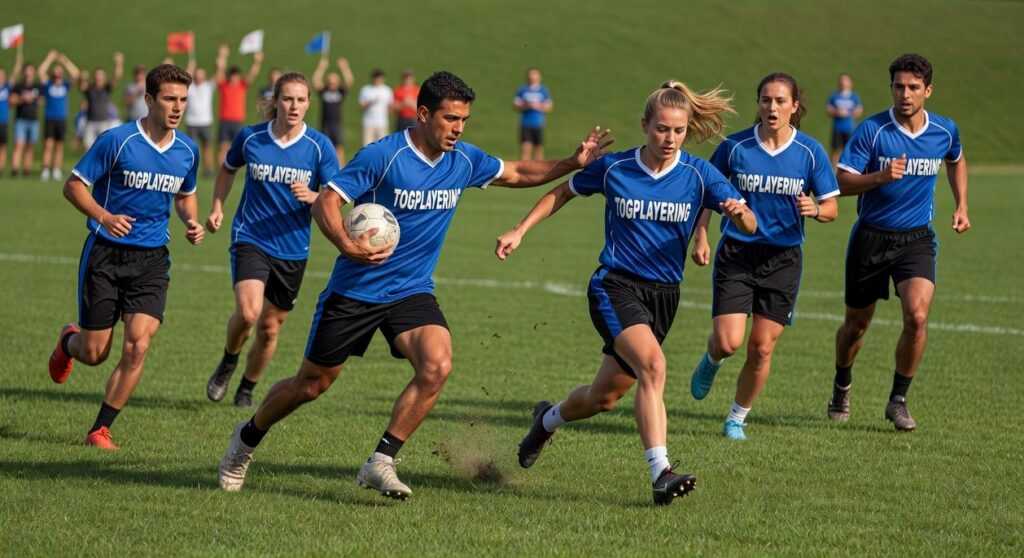
I’ve been on both sides of the bracket. Playing in tournaments and running them are two completely different games.
You’re probably thinking about hosting your first competitive event. Or maybe you’ve already tried and it didn’t go the way you planned. Either way, you know that throwing together a bracket and hoping for the best isn’t going to cut it.
Here’s the truth: a bad tournament spreads faster than a good one. Mess up the seeding or let matches run three hours behind schedule and you’ll hear about it for months.
I’ve seen what works and what crashes hard in the competitive scene. The difference between a tournament players respect and one they avoid comes down to planning.
This guide walks you through the entire process. From picking your format to handling that player who swears the lag cost them the match.
We’ve pulled from real events at togplayering. The ones that ran smooth and the ones that taught us lessons the hard way. That’s how I know this framework actually holds up when 50 players are staring at you wondering why registration is taking so long.
You’ll learn how to structure your event so competitors take it seriously. How to avoid the common mistakes that tank first-time tournaments. And how to build something players actually want to come back to.
No theory. Just what actually works when you’re the one holding the clipboard.
Phase 1: The Foundation – Planning and Logistics
You want to run a tournament.
But where do you even start?
I’ve seen people jump straight into announcing dates and prize pools before they’ve figured out the basics. Then everything falls apart two weeks before the event because they didn’t plan for server costs or realize half their players are in different time zones.
Don’t be that person.
Choosing Your Arena
Pick the wrong game and you’re setting yourself up to fail.
Some people say you should just run tournaments for whatever game you personally love. They think passion is enough to make it work.
Here’s the problem with that thinking.
If the game has a dead competitive scene or terrible spectator tools, your passion won’t matter. You’ll be streaming to five people while burning through your budget.
I look at three things when picking a game. Community size matters because you need players to actually sign up. Competitive balance matters because nobody wants to watch the same character or strategy win every match. And spectator appeal matters because (let’s be real) you want people to watch.
Games like the ones covered on Togplayering often have built-in competitive communities already. That gives you a head start.
Defining the Scale
Online or LAN?
This decision shapes everything else.
Online events cost less. You don’t need a venue and players can compete from home. But you’ll deal with connection issues and it’s harder to create that electric tournament atmosphere.
LAN events feel incredible. The energy in the room when a match goes down to the wire is unmatched. But you’re looking at venue costs, equipment rentals, and the nightmare of making sure everyone shows up on time.
Your budget tells you which way to go. So does your player base. If your competitors are spread across three continents, LAN probably isn’t realistic.
Budgeting for Success
Let me break down what you’re actually spending money on.
The prize pool is obvious. But platform fees sneak up on you. Streaming software, tournament bracket tools, even Discord server boosts add up fast.
If you’re running LAN, venue costs become your biggest line item. Then you need staff (yes, you need help) and marketing so people actually know your event exists.
Write it all down. Then add 20% because something always costs more than you expected.
Crafting a Master Timeline
Here’s what kills most first-time tournament organizers.
They announce the event three days before registration opens. Or they give players only 48 hours to sign up. Or they forget to schedule time for seeding and the bracket turns into chaos.
Work backwards from your event day. When do you need the bracket finalized? That tells you when registration closes. When does registration close? That tells you when it needs to open. When does it open? That tells you when to start promoting.
I usually give myself at least four weeks from announcement to event day. That gives players time to clear their schedules and gives me time to fix the inevitable problems that pop up.
Mark every milestone on a calendar. Announcement date. Registration opens. Registration closes. Seeding complete. Event day.
Then stick to it.
Phase 2: The Rulebook – Structure and Fair Play
You’ve got players interested. Now comes the part that separates amateur tournaments from professional ones.
The rules.
Most tournament organizers think they can wing it. They figure everyone knows how the game works, so why overthink it? Then someone disconnects in the finals and suddenly you’re making up policies on the fly while 50 people argue in your Discord.
I’ve seen it happen too many times.
Your tournament format matters more than you think. Single elimination is fast and clean. One loss and you’re out. It works great if you’re short on time or running a massive bracket. But here’s the problem: players travel hours or pay entry fees just to lose one match and go home.
Double elimination gives everyone a second chance. You lose once and drop to the lower bracket. It’s fairer and keeps more players engaged longer. The downside? It takes roughly twice as long to complete.
Round robin means everyone plays everyone. You get the most accurate results because luck matters less. But it only works with smaller player counts (think 8 or fewer). Beyond that, you’re looking at dozens of matches.
Some people say single elimination is the only “real” format. They argue that high stakes make better competition. And sure, there’s something to that. But what about the player who drove three hours and got knocked out in round one by a bad matchup?
Here’s what I recommend. Use double elimination for most tournaments. It balances fairness with time constraints. Save single elimination for side events or when you’re truly pressed for schedule.
Now let’s talk about your ruleset.
You need to cover game settings first. Which map? What items are banned? Time limits? Write it all down. Don’t assume anything is obvious.
Player conduct comes next. What happens if someone’s toxic in chat? What about coaching between rounds? Define it now or deal with drama later.
Disconnection policies cause the most arguments. You need a clear process. I usually go with this: if a disconnect happens in the first two minutes, restart the match. After that, the game continues unless both players agree to restart. To foster a respectful gaming environment and minimize disputes over disconnection policies, I’ve outlined my approach on the for players seeking clarity on how to handle these frustrating situations.
Dispute resolution is your safety net. Appoint judges before the tournament starts. Give them final say on rule interpretations. Otherwise you’ll spend half your event mediating arguments.
Seeding prevents blowouts in round one. If you’ve got skill ratings or past tournament results, use them. Put your strongest players on opposite sides of the bracket. This keeps your best matches for later rounds when more people are watching.
Bracket management software saves you hours. Challonge and start.gg (formerly Smash.gg) are both free and work well. They auto-generate brackets and let players check their matches without bugging you constantly.
Prize pools need strategy too. Top-heavy payouts (where first place gets 60% or more) attract the best players. But spreading prizes across more positions keeps mid-level players coming back. For a $1,000 pool, I’d do 50% first, 25% second, 15% third, 10% fourth.
Don’t sleep on non-cash prizes either. Game codes, hardware, or even features on togplayering can matter just as much to some players.
The rulebook isn’t sexy. But it’s what turns your tournament from a mess into something people respect.
Phase 3: The Player Journey – Registration and Communication

You’ve got your format locked in and your rules written down.
Now comes the part where most tournaments fall apart.
Getting players signed up and keeping them informed sounds simple. But I’ve watched too many organizers lose half their roster because registration was confusing or communication went silent for three days.
Here’s what actually works.
Setting Up Registration That Doesn’t Suck
You need a platform that handles the boring stuff for you. Battlefy and Toornament are the two I see most often (and for good reason). They manage sign-ups without you having to build spreadsheets or chase people down for confirmation.
The check-in process matters more than you think. Players show up, click a button, and you know who’s actually there. No guesswork about whether someone’s going to ghost five minutes before match time.
Bracket updates happen automatically. Players can see their next opponent without messaging you every ten seconds.
Getting Players to Actually Show Up
Some organizers think if they build it, players will come.
That’s not how this works.
You need to go where competitive players already hang out. Twitter works for some games. Reddit works for others. Discord servers tied to what video game has the most players togplayering are gold mines if you can get posting permissions.
Don’t just drop a link and run. Talk about what makes your tournament different. Is it the prize pool? The ruleset? The skill level you’re targeting?
Your Communication Hub
Here’s the truth. Email doesn’t cut it anymore.
You need a Discord server. Not because it’s trendy but because it solves real problems. Players can ask questions about rules at 2 AM and get answers from other players. You can pin announcements so people stop asking the same thing fifty times.
When something goes wrong during the tournament (and something always goes wrong), you have one place to communicate with everyone at once.
Phase 4: Game Day – Flawless Execution
You’ve planned everything.
Built your rulebook. Set up your bracket. Promoted the event until your Discord was buzzing.
Now comes the part where most tournament organizers completely fall apart.
Game day.
Some people say you should just let things flow naturally. They think being too hands-on makes you look controlling. That players will figure things out on their own.
Here’s the problem with that thinking.
Without someone actively running the show, your tournament turns into chaos. Matches start late. Players argue over rules you never clarified. Your bracket sits half-updated while everyone spams you asking what’s next.
I’ve seen it happen dozens of times at togplayering events.
The tournament admin role isn’t about being a dictator. It’s about being the person who keeps everything moving when things inevitably go sideways (and trust me, they will).
Your main job? Start matches on time. That means checking in with players five minutes before their slot and making sure they’re ready to go.
You’re also the rulebook enforcer. When someone claims their opponent was screen peeking or using a banned weapon, you need to step in fast. Listen to both sides. Check what your rules actually say. Then make the call and move on.
Don’t let disputes drag out for twenty minutes while everyone else waits.
Before the first match even starts, run through your technical checklist. If you’re running online, test your server stability. Can it handle the player load? Is the connection solid?
For LAN events, check every station. Network cables plugged in tight. Hardware running clean. One faulty ethernet port can derail an entire pool.
Once matches begin, your focus shifts to flow. Update your bracket the second a match ends. Post results where everyone can see them. Call out the next matchup immediately.
No-shows happen. Give players their grace period (usually five minutes), then issue the DQ and keep moving. Your job is to respect the time of everyone who showed up.
When disputes pop up, here’s your framework. Let both players explain their side without interrupting. Pull up the relevant rule. Make your decision clearly and stick to it. In the heat of competitive gaming, when disputes arise among players, it often leads to the question, “What Video Game Has the Most Players Togplayering,” as they seek to determine the most popular titles where community engagement and participation are at their peak.
You won’t make everyone happy. That’s fine. What matters is that you’re fair and consistent.
Game day execution separates amateur tournaments from professional ones. And it all comes down to you being present, prepared, and ready to make calls when it counts.
Building Your Legacy, One Tournament at a Time
You now have the complete blueprint for hosting a tournament that meets the high standards of competitive players.
I know how overwhelming tournament organization can feel. There are a million moving parts and one mistake can derail the entire event.
But here’s the thing: a structured approach eliminates that chaos.
When you focus on solid planning, fair rules, and clear communication, you create something special. An environment where skill determines the winner, not luck or confusion.
Use this guide as your checklist. Start small with your first event and learn from what works (and what doesn’t). Each tournament you run builds your reputation.
The competitive gaming community remembers organizers who get it right. They come back and they bring friends.
Your next step is simple: pick a date and start planning. togplayering has given you the framework. Now it’s time to execute.
The best tournament organizers didn’t start perfect. They started somewhere and got better with each event. Why Video Games Are Important Togplayering. What Video Game Is Popular Now Togplayering.

 Ask Trevana Eldwain how they got into game reviews and insights and you'll probably get a longer answer than you expected. The short version: Trevana started doing it, got genuinely hooked, and at some point realized they had accumulated enough hard-won knowledge that it would be a waste not to share it. So they started writing.
What makes Trevana worth reading is that they skips the obvious stuff. Nobody needs another surface-level take on Game Reviews and Insights, Latest Gaming News, Upcoming Game Releases. What readers actually want is the nuance — the part that only becomes clear after you've made a few mistakes and figured out why. That's the territory Trevana operates in. The writing is direct, occasionally blunt, and always built around what's actually true rather than what sounds good in an article. They has little patience for filler, which means they's pieces tend to be denser with real information than the average post on the same subject.
Trevana doesn't write to impress anyone. They writes because they has things to say that they genuinely thinks people should hear. That motivation — basic as it sounds — produces something noticeably different from content written for clicks or word count. Readers pick up on it. The comments on Trevana's work tend to reflect that.
Ask Trevana Eldwain how they got into game reviews and insights and you'll probably get a longer answer than you expected. The short version: Trevana started doing it, got genuinely hooked, and at some point realized they had accumulated enough hard-won knowledge that it would be a waste not to share it. So they started writing.
What makes Trevana worth reading is that they skips the obvious stuff. Nobody needs another surface-level take on Game Reviews and Insights, Latest Gaming News, Upcoming Game Releases. What readers actually want is the nuance — the part that only becomes clear after you've made a few mistakes and figured out why. That's the territory Trevana operates in. The writing is direct, occasionally blunt, and always built around what's actually true rather than what sounds good in an article. They has little patience for filler, which means they's pieces tend to be denser with real information than the average post on the same subject.
Trevana doesn't write to impress anyone. They writes because they has things to say that they genuinely thinks people should hear. That motivation — basic as it sounds — produces something noticeably different from content written for clicks or word count. Readers pick up on it. The comments on Trevana's work tend to reflect that.