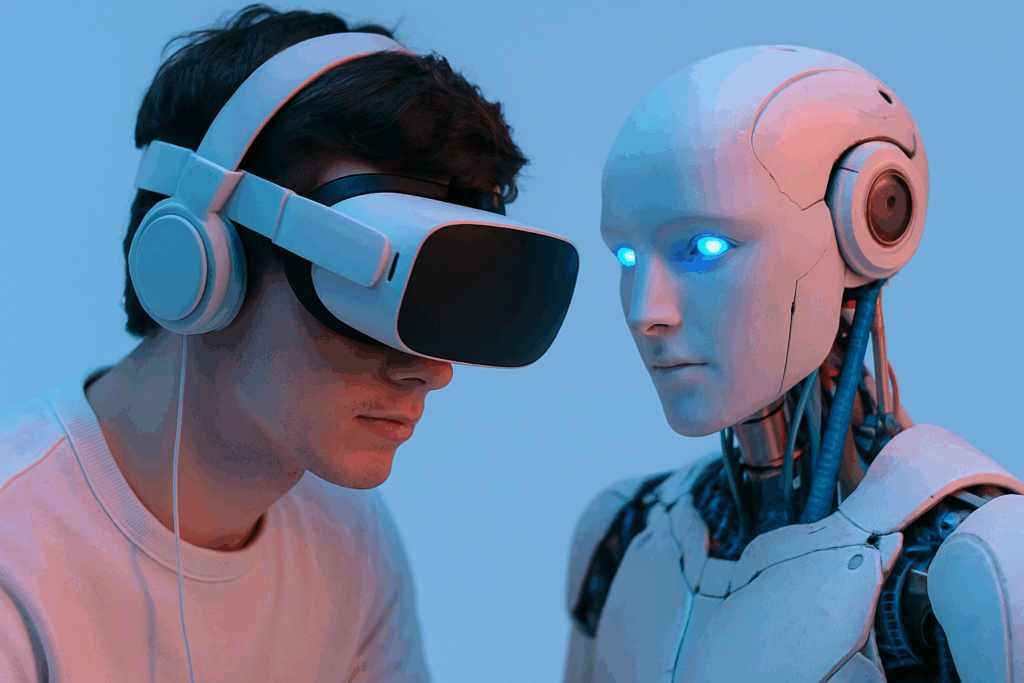

I’ve spent years watching people dismiss video games as mindless entertainment.
You’re probably here because you know there’s something more to gaming than what critics claim. You feel it when you play. But you can’t quite explain why games matter beyond “they’re fun.”
Here’s the reality: games aren’t just digital distractions. They’re built on psychological frameworks that tap into how our brains actually learn and grow.
I’m going to show you the science behind player engagement. Not the surface-level stuff about dopamine hits. The real mechanisms that make games such powerful tools for development.
We’ve analyzed research from cognitive psychology and game design theory. We’ve looked at how top developers structure progression systems and why certain mechanics keep players coming back (and improving) for years.
Why video games are important comes down to something most people miss. They create environments where failure is safe, feedback is immediate, and growth is measurable.
You’ll learn how games train your brain differently than traditional learning methods. How they build skills that transfer to real-world scenarios. And why the engagement you feel isn’t manipulation but genuine cognitive development.
No fluff about gaming culture. Just the frameworks that explain what’s actually happening when you play.
The Core Pillars of Engagement: Why We Play
Let me be honest with you.
Most people think games are just about fun. Like fun is this simple thing you can point to and say “yep, that’s it.”
But that’s not how it works.
I’ve been playing games for years and I can tell you that what keeps us coming back isn’t just fun. It’s something deeper. Something that taps into parts of us that don’t get satisfied anywhere else.
There are three things games do better than almost anything. Three needs they meet that explain why video games are important Togplayering.
Autonomy. The Power of Choice.
Games give you control. Real control.
You decide what your character looks like. You pick which skills to develop. You choose how the story unfolds (or at least you feel like you do, which honestly might be enough).
That sense of ownership? You don’t get that watching TV. You don’t get it scrolling through social media.
In games, your choices matter. Even when they don’t really matter, they feel like they do. And that feeling is what hooks you.
Mastery. The Drive to Improve.
Here’s what I love about games.
They show you exactly how you’re doing. Score goes up. Level increases. New abilities unlock. The feedback is instant and clear.
You fail at a boss fight. You try again. You learn the patterns. You get better. Then you win.
That loop of challenge and growth? It’s addictive because it works. Games are built around it. Skill trees, progression systems, achievements. They all feed into this basic human need to improve at something.
And the best part? You can actually see yourself getting better.
Purpose and Connection. The Social Fabric.
This is where people get it wrong.
They think gaming is isolating. That it’s just kids alone in dark rooms.
But multiplayer games create communities. Guilds become friend groups. Raids require coordination and trust. Shared goals turn strangers into teammates. In the vibrant tapestry of online gaming, Togplayering transcends mere gameplay, fostering deep connections among players as they unite to conquer challenges and share unforgettable experiences.
I’ve seen people build real friendships through games. Not despite the games but because of them.
When you’re working together to clear a dungeon or win a match, you’re not just playing. You’re part of something bigger. You have a role. You matter to the group.
That sense of belonging and purpose? It’s real. And it’s why people keep logging back in.
Forging a Sharper Mind: Cognitive Skills Honed Through Gaming
Look, I need to be honest with you.
When people hear that gaming makes you smarter, they roll their eyes. They think it’s just gamers trying to justify another late night session.
But the research tells a different story.
Problem-Solving and Strategic Thinking
Let me break this down. When you’re playing StarCraft or Civilization, you’re not just clicking buttons. You’re managing economies, predicting opponent moves, and planning strategies that won’t pay off for another 20 minutes.
That’s real cognitive work.
Strategy games force you to think in systems. You can’t just focus on one thing. You need to balance resources, time your attacks, and adapt when your plan falls apart (which it always does).
Turn-based games add another layer. You have time to think, sure. But that means you need to consider every possible outcome before you commit. It’s like chess, except the board keeps changing.
Enhanced Spatial Reasoning and Reaction Time
Now let’s talk about fast-paced games.
First-person shooters get a bad rap. But here’s what actually happens when you play them. Your brain learns to process visual information faster. You track multiple moving targets. You make decisions in milliseconds.
A study from the University of Rochester found that action gamers can make accurate decisions 25% faster than non-gamers. That’s not a small difference.
Your spatial awareness improves too. You start understanding 3D environments better. Where threats might come from. How to navigate complex spaces quickly.
These skills transfer. Surgeons who game perform better in laparoscopic procedures. Pilots show improved situational awareness.
Creativity and Innovation Gameplay Advice Togplayering is where I take this idea even further.
This is where things get interesting.
Sandbox games like Minecraft or Kerbal Space Program are basically playgrounds for your brain. You get tools and physics rules, then you figure out what to do with them.
Want to build a working computer inside Minecraft? People have done it. Want to design a rocket that can land on another planet? Kerbal lets you try without blowing up real equipment.
The beauty of these games is failure costs nothing. You can experiment with wild ideas. Test theories. Learn from mistakes without real consequences.
That’s why togplayering matters so much. When you understand why video games are important togplayering becomes more than entertainment. It becomes a tool for developing real cognitive abilities.
The creative problem-solving you practice in games? That shows up when you’re tackling work projects or figuring out life challenges.
Your brain doesn’t care if the problem is virtual or real. It’s building the same neural pathways either way.
Leveling Up Humanity: Social and Emotional Development
You know that moment in a raid when everything clicks?
Your tank knows exactly when to pull. Your healer anticipates the damage spike. Your DPS coordinates cooldowns without anyone saying a word. In the intricate dance of teamwork where your tank knows exactly when to pull, your healer anticipates the damage spike, and your DPS coordinates cooldowns without anyone saying a word, it’s clear to see why video games are educational togplayering, teaching players invaluable skills in communication and strategy.Why Video Games Are Educational Togplayering
That’s not just good gameplay. That’s teamwork at its finest.
I’ve watched random strangers coordinate better in a Destiny 2 raid than some corporate teams I’ve seen in real life. Why? Because games force you to communicate or you wipe. Simple as that.
Think about it. When you’re running a dungeon in Final Fantasy XIV or pushing ranked in Valorant, you can’t just do your own thing. You need to call out positions, delegate roles, and trust that your teammate will cover their lane while you cover yours.
Some people say gaming isolates us. That we’re all just sitting alone in dark rooms avoiding real human connection.
But walk into any Discord server during raid night and tell me that’s isolation. These players are building real skills. Clear communication under pressure. Role delegation. Trust.
The same applies to failure.
Games let you fail without real consequences (unless you count your pride after getting stomped in Elden Ring for the fifteenth time). You die, you learn the pattern, you try again. That’s why video games are important togplayering. They teach us that failure isn’t permanent.
I’ve seen players go from rage-quitting after one loss to calmly analyzing what went wrong and adjusting their strategy. That’s a growth mindset in action.
Then there’s the empathy piece.
When you play The Last of Us or Red Dead Redemption 2, you’re not just watching a story. You’re making choices as someone else. You’re living with the consequences of those decisions.
Life is Strange made me rethink how small choices ripple outward. Undertale challenged my assumptions about who deserves mercy.
These aren’t just games. They’re perspective machines.
You step into someone else’s life, face their problems, and suddenly you understand things differently. That kind of emotional range? You can’t get it from a textbook.
From Pixels to Practice: Translating In-Game Skills to the Real World
You know that feeling when you’re three hours into a raid and everything clicks?
Your fingers move without thinking. You’re calling out enemy positions while tracking cooldowns and adjusting strategy on the fly. Your heart’s pounding but your mind stays clear.
That’s not just gaming. That’s training.
Most people still see gaming as downtime. Something you do to zone out after work. But here’s what I’ve noticed after years of watching players move into high-pressure careers.
The skills transfer. All of them.
The Gamer’s Advantage Nobody Talks About
I’ve watched guild leaders become project managers who can coordinate teams across time zones without breaking a sweat. They already know how to manage different personalities and keep everyone moving toward the same goal.
The muscle memory of decision-making under pressure? That doesn’t disappear when you close the game. You’ve spent hundreds of hours calculating risk versus reward in split seconds. That same instinct shows up when you’re facing a tight deadline or a client crisis.
Think about the last time you had to pivot strategy mid-match because your opponent switched tactics. You didn’t freeze. You adapted. That’s exactly what employers need when projects go sideways (and they always do).
Some people argue that gaming is just escapism. They say the skills don’t count because they happen in a virtual space. But watch someone who’s never gamed try to coordinate a team through a complex problem. Then watch someone who’s led raid groups do the same thing.
The difference is obvious. What Video Game Is Popular Now Togplayering builds on the same ideas we are discussing here.
Strategic planning. Collaborative problem solving. Rapid adaptation. These aren’t just gaming skills. They’re why video games are educational togplayering has become a real conversation in professional development circles. As educators increasingly recognize the value of skills honed through gameplay, the concept of Togplayering has emerged as a pivotal topic in discussions about integrating gaming into professional development.
So next time someone asks what you do for fun, don’t just say you game. Tell them you’re practicing decision-making under pressure. Because that’s exactly what you’re doing.
Recognizing the Power of Play
I’ve shown you that video games do more than entertain.
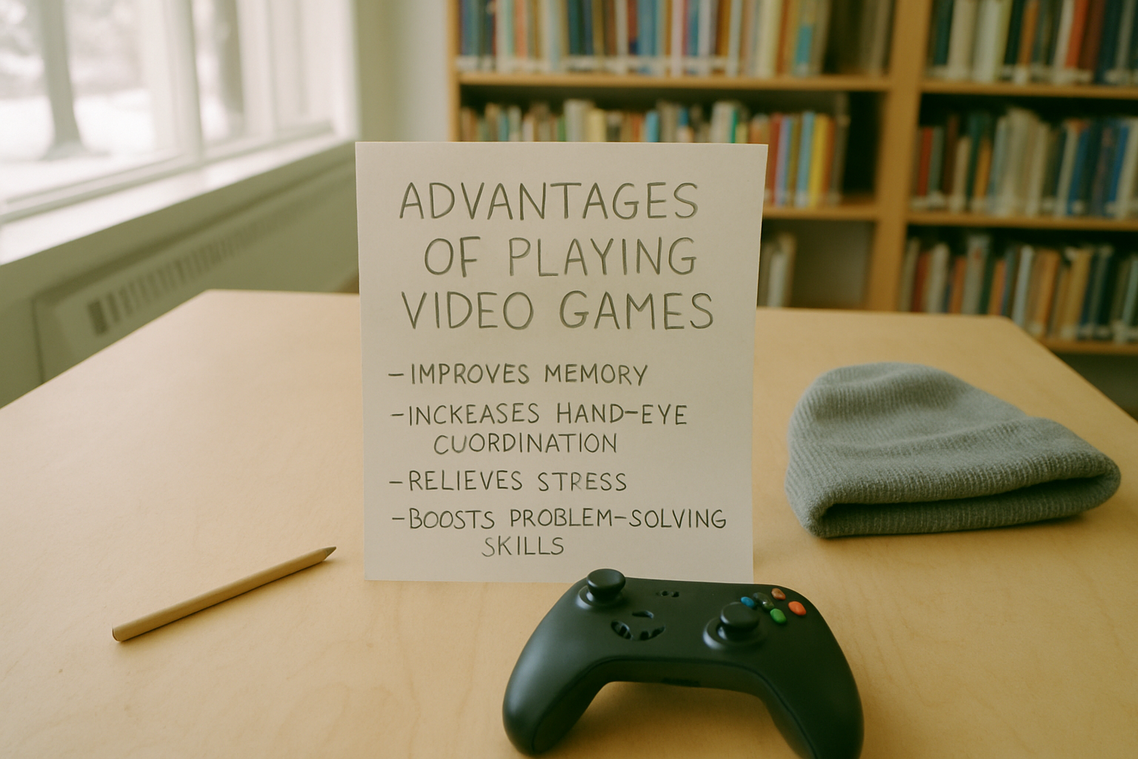
They tap into our core psychological needs while building cognitive, social, and emotional skills. The mechanics aren’t random. They’re designed to challenge us in ways that matter.
Gaming isn’t a mindless distraction. It’s an active medium that teaches resilience, strategic thinking, and collaboration.
You came here to understand why video games are important togplayering. Now you see the full picture.
When you understand what’s happening behind the scenes, you can use games as tools for real growth. The skills you build in-game translate to everything else you do.
Here’s what I want you to do: The next time you pick up a controller, pay attention to what you’re actually learning. Notice how you adapt to challenges and work with your team.
Then ask yourself how you can apply that same drive for mastery to other parts of your life.
The skills are there. You just need to recognize them.

 Ask Trevana Eldwain how they got into game reviews and insights and you'll probably get a longer answer than you expected. The short version: Trevana started doing it, got genuinely hooked, and at some point realized they had accumulated enough hard-won knowledge that it would be a waste not to share it. So they started writing.
What makes Trevana worth reading is that they skips the obvious stuff. Nobody needs another surface-level take on Game Reviews and Insights, Latest Gaming News, Upcoming Game Releases. What readers actually want is the nuance — the part that only becomes clear after you've made a few mistakes and figured out why. That's the territory Trevana operates in. The writing is direct, occasionally blunt, and always built around what's actually true rather than what sounds good in an article. They has little patience for filler, which means they's pieces tend to be denser with real information than the average post on the same subject.
Trevana doesn't write to impress anyone. They writes because they has things to say that they genuinely thinks people should hear. That motivation — basic as it sounds — produces something noticeably different from content written for clicks or word count. Readers pick up on it. The comments on Trevana's work tend to reflect that.
Ask Trevana Eldwain how they got into game reviews and insights and you'll probably get a longer answer than you expected. The short version: Trevana started doing it, got genuinely hooked, and at some point realized they had accumulated enough hard-won knowledge that it would be a waste not to share it. So they started writing.
What makes Trevana worth reading is that they skips the obvious stuff. Nobody needs another surface-level take on Game Reviews and Insights, Latest Gaming News, Upcoming Game Releases. What readers actually want is the nuance — the part that only becomes clear after you've made a few mistakes and figured out why. That's the territory Trevana operates in. The writing is direct, occasionally blunt, and always built around what's actually true rather than what sounds good in an article. They has little patience for filler, which means they's pieces tend to be denser with real information than the average post on the same subject.
Trevana doesn't write to impress anyone. They writes because they has things to say that they genuinely thinks people should hear. That motivation — basic as it sounds — produces something noticeably different from content written for clicks or word count. Readers pick up on it. The comments on Trevana's work tend to reflect that.