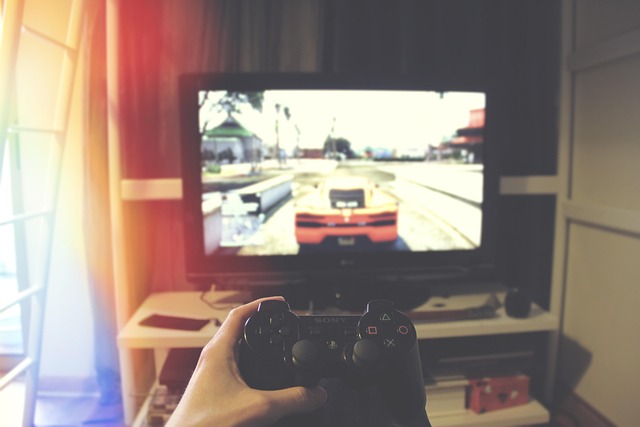
If you’re holding a TGA GameStick controller and wondering what to do next, you’re not alone. Many users are surprised at how much this compact device can do—but only if they know how to use it right. For a full step-by-step breakdown, check out tgagamestick controller how to use. In this guide, we’ll walk through the essential setup steps, tips for peak performance, and a few troubleshooting hacks that’ll get you gaming fast.
What’s in the Box?
Before anything, make sure you’ve got all the pieces. Standard TGA GameStick bundles include:
- The GameStick controller
- HDMI stick or console module
- Charging cable (USB-C or micro-USB, depending on model)
- Instruction manual
- Optional extension cable
Some models include extra accessories or game passes, but the basics above are consistent across most versions. Open everything up and get familiar with each component.
Step-by-Step Setup
Getting the controller running doesn’t take long, but you’ll want to follow the correct order to avoid frustration.
1. Charge Up First
Your controller won’t work if it’s out of juice. Plug it into a power source using the charging cable. An LED light usually indicates charge status—red for charging, green or blue when full.
2. Connect to the Console
Insert the HDMI stick into your TV or monitor. Make sure the TV is set to the correct HDMI input. Power up the connected module using the provided cable. You should see a boot logo or dashboard pop up within seconds.
Next, press and hold the “Home” or “Pair” button on your controller until the LED starts blinking. This puts it in pairing mode. If it doesn’t pair automatically, head into the system’s Bluetooth settings and manually select your controller from the list.
3. Firmware Check
Some units may prompt for a firmware update during first-time setup. Don’t skip it—updates often improve controller response, reduce lag, and add compatibility for new games.
Basic Controls and Shortcuts
Once paired, it’s good to understand the controller layout. Most GameStick controllers follow this structure:
- Dual joysticks (left and right)
- A/B/X/Y buttons
- D-pad for directional movement
- Start, Select, and Home buttons
- L1/L2 and R1/R2 shoulder buttons
These mimic a standard console gamepad, so they work with most Android-based games, emulators, and cloud platforms. If you’re unsure about a specific game’s control mapping, go to the settings menu and remap keys to your preference.
Best Practices for Smooth Gameplay
You’ve got it running—great. Now let’s make sure you’re getting the best possible experience.
Optimize for Low Latency
For optimal responsiveness:
- Use Bluetooth 5.0 or higher (if supported by your TV stick or module)
- Stay within 10 feet of the console
- Avoid interference from other wireless devices
- Close heavy Bluetooth apps on your phone or tablet if connected simultaneously
Keep It Cool
Your controller and HDMI stick can heat up after long sessions. Avoid stacking items on or around them. For marathon gameplay, allow a 10-minute cool-down break every 2 hours.
Playing Different Game Types
The TGA GameStick supports retro games, Android titles, cloud services (like GeForce Now or Xbox Cloud), and even streaming apps like Netflix. This makes the tgagamestick controller how to use tutorials even more useful if you’re planning to explore a wide mix of experiences.
- Retro games: Use emulator apps; the controller maps easily for SNES, NES, PS1, and more.
- Modern Android games: Use the touchscreen alternatives provided by the controller’s software overlays or direct mapping.
- Cloud gaming: Connect with apps like Game Pass or Steam Link. Make sure your internet connection is fast and stable (minimum 15 Mbps, ethernet preferred).
- Media streaming: The controller doubles as a simple navigation remote for Netflix, YouTube, and more.
Troubleshooting Common Issues
If something’s not working, don’t panic. Here are some quick fixes to common problems.
Controller Won’t Pair
- Make sure it’s charged
- Restart both the TV stick and controller
- Hold down the Home button for 10 seconds to reset pairing mode
Lag or Input Delay
- Reduce Bluetooth interference (move Wi-Fi routers, remove other connected devices)
- Check for and apply any pending firmware updates
- Re-pair the controller if issues persist
Buttons Not Responding
- Confirm if the game supports external controllers
- Test the controller on another app or device
- Reset to factory mode if needed (usually by pressing a small pinhole button on the back)
Accessory Recommendations
Want to enhance your setup? Here are a few optional upgrades worth considering:
- USB-C OTG Hub – Lets you plug in a wired controller or USB drive.
- Cooling pad – Especially helpful if you’re gaming in warmer climates.
- Gamepad clip – Mounts your phone directly on the controller for handheld setups.
These aren’t mandatory, but they can elevate both comfort and play efficiency.
Final Takeaway
By now, the steps should feel clearer. Setting up and using the TGA GameStick controller is mostly straightforward, especially if you follow the tips in the tgagamestick controller how to use guide. Remember to keep your device charged, maintain a stable Bluetooth connection, and update firmware whenever prompted.
Whether you’re streaming AAA titles or playing old-school ROMs, the right configuration will make a huge difference. Keep this guide handy for quick reference and faster fixes next time you plug in.

 Trevana-Eldwain is our editor, responsible for refining content and ensuring clarity, quality, and consistency across the site. Their attention to detail helps deliver a smooth and engaging experience for our audience.