
Gaming is no longer just a pastime—it’s a global industry, cultural powerhouse, and competitive arena rolled into one. At the center of this evolution is the rapid rise of gaming tportesports, blending high-level competition with community, streaming, and entertainment. If you’re trying to understand the momentum behind the industry, gaming tportesports is the perfect starting point.
The Shift from Casual to Competitive
Gaming wasn’t always this serious. Fifteen years ago, most people played for fun—solo, offline, and often with a limited circle of friends. Today, competitive gaming has become a mainstream career option, with tournaments drawing millions of viewers and multi-million-dollar prize pools.
Gaming tportesports represents this shift. It’s about structured league play, professional branding, and fan engagement that mirrors traditional sports. Players aren’t just gamers anymore—they’re athletes, influencers, and businesspeople.
The accessibility of modern gaming platforms has helped. Whether on a console, PC, or mobile device, anyone can plug in, start playing, and—if they’re good enough—start competing.
Esports as Entertainment
What separates gaming tportesports from traditional competitive gaming is its entertainment-first mentality. High-level play matters, but so does the show. Production quality is high, complete with casters, camera work, hype reels, and studio analysis. It’s reminiscent of ESPN meets Twitch.
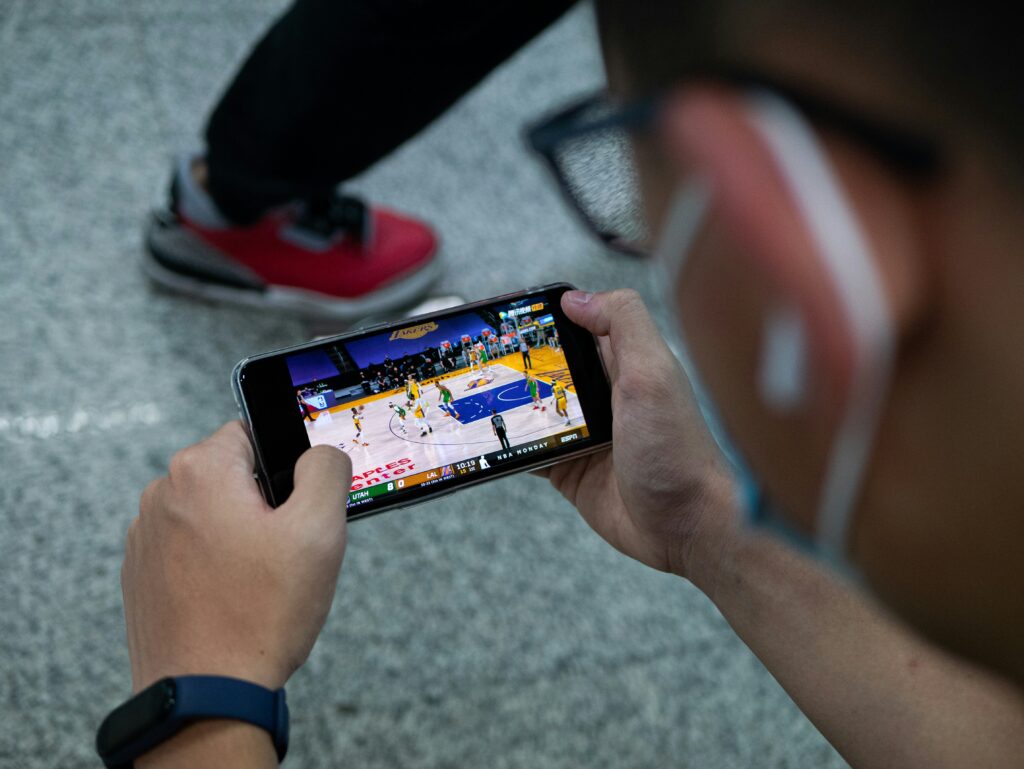
Streaming platforms like YouTube Gaming and Twitch have made it easy for fans to tune into live games, follow their favorite teams, and watch highlights anytime. Some matches pull in more real-time viewers than NBA or NHL games.
Gaming personalities and teams have built loyal followings, reinforcing the idea that gaming is as much about community as it is about skill. Brands have noticed, and sponsorship deals are now commonplace.
The Rise of Gaming Leagues and Franchises
Gone are the days when gaming competitions were impromptu local tournaments. Today, we have city-based franchises, multi-year contracts, training staff, and home venues. Organizations like the Overwatch League and League of Legends Championship Series have brought structure and permanence to gaming tportesports.
Teams scout talent globally, with players often relocating to training houses—high-performance environments built to encourage practice, team cohesion, and strategy development. These setups are comparable to training camps in traditional sports.
And while Western esports audiences are growing fast, regions like South Korea, China, and Brazil are years into their esports booms. The game may change depending on the region—League of Legends in Asia, Counter-Strike in Europe, Valorant in North America—but the formula is the same: skill + storytelling + streamability = success.
How Gaming Builds Transferable Skills
One reason gaming tportesports has earned legitimacy is because of the skill development behind the scenes. Reflexes, communication, problem-solving, and strategic thinking are just the start. At higher levels of play, it becomes a test of discipline and mental endurance.
Success isn’t just about pressing buttons faster—it’s about learning from losses, reviewing strategy, and adapting to new meta-games (the ever-shifting trends and rules that dominate top-tier play).
Many organizations are starting to recognize this. Schools and universities now offer scholarships for esports participation. Companies look favorably at applicants who’ve shown leadership in team-based competitive environments—even if it was in-game.
Gaming is also a great equalizer. It cuts across demographics. Whether you’re in a big city or a small town, what matters is your skill, timing, and ability to operate within a team.
Monetization and Growth Beyond the Game
As gaming tportesports continues to expand, it’s developing multiple business arms—streaming, merchandising, branding, and content creation.
Teams and individual players aren’t just relying on tournament winnings. They’re launching personal brands, building media empires, and securing their financial futures through diversified revenue streams. Think apparel lines, YouTube channels, paid content, NFTs, and even real estate investments in the metaverse.
Advertisers, sponsors, and broadcasters have noticed. Esports ad revenue is a growing slice of the overall digital marketing pie. And because younger audiences often bypass traditional television, esports gives brands access to otherwise hard-to-reach viewers.
Meanwhile, game developers are leaning into the esports model by designing experiences that are fun to play and equally fun to watch. Spectator modes, interactive features during live broadcasts, and fan rewards are all built into the platform now.
Careers in and Around Esports
You don’t need to be a pro player to make a career in gaming tportesports. The ecosystem is vast. Analysts, coaches, marketers, event planners, video editors, and social media managers are just as essential to a team’s success as the players in the gamer’s chair.
Even journalists and mental health professionals play an increasingly vital role. As teams mature and stakes grow higher, dynamics, wellness, and storytelling become critical.
Gamers can also branch into roles like shoutcasting (live commentary), content creation, or community management. What used to be hobbies are becoming full-time job titles.
The Future of Gaming tportesports
The trajectory is clear: more fans, more production, and more partnership between tech, gaming, and media sectors. With ongoing investment, the infrastructure around gaming tportesports will only get stronger.
Expect longer seasons, better player protections, and broader international cooperation. Esports will continue becoming more like traditional sports—complete with unions, leagues, and standardized player development.
Gaming education is also on the rise. High schools and universities are offering esports programs, both for players and for those interested in business or production roles.
In emerging markets, mobile-first gaming esports will rise. With millions of young users gaining access to smartphones, titles like PUBG Mobile and Free Fire are shaping the future of mobile competition.
Final Thoughts
Gaming tportesports is a modern-day convergence of culture, competition, and community. It’s fast-moving but stable, hard to break into but incredibly rewarding. Whether you’re a fan, a player, or just curious about what’s next, this space has room for everyone.
If you’re looking to dive deeper into the complexities and possibilities that come with this evolution, you’ll want to start by exploring gaming tportesports. The industry isn’t just changing gaming—it’s redefining how we think about tech, media, and connection.
Now’s a good time to ask: where do you fit in?